




If you like our site, mark us as a preferred source on Google — so you’ll see our articles more often in search!
★Mark us as a preferred sourceOne of the most controversial global phenomena of the 21st century is “waste colonialism,” a process in which high-income countries shift their environmental and health costs onto lower-income regions. A report by the Fides News Agency highlights that billions of tons of trash flow annually from the developed North toward the Global South, triggering severe ecological and human rights crises in countries across Asia and Africa. This “throwaway culture” raises not only environmental concerns but also deep ethical questions regarding global justice.
The world produces approximately 2.12 billion tons of waste every year. A significant portion of this massive volume ends up in countries that lack the necessary infrastructure for safe processing. This process can be interpreted as a form of “neo-colonialism,” where wealthy nations use poorer regions as dumping grounds for the byproducts of their own consumption.
Asia: The Chinese Ban and the Domino Effect
For a long time, China was the world’s leading importer of trash. However, in 2018, the Beijing government implemented its “National Sword” policy, banning the import of most foreign waste. This decision radically reshaped the global waste market, diverting flows toward Southeast Asia.
-
Target Countries: According to the report, new destinations for the flood of waste include Thailand, Vietnam, the Philippines, and Malaysia.
-
Plastic Pollution: These nations were suddenly faced with volumes of plastic waste they were unable to manage. In Malaysia and Thailand, dozens of illegal processing plants emerged, often attempting to extract value through toxic methods such as open-air burning or acid leaching, severely contaminating local water supplies and the air.
Africa: E-Waste and Mountains of Textile Trash
In Africa, the nature of the problem differs slightly, focusing primarily on electronic waste (e-waste) and used clothing.
-
Ghana and Nigeria: Accra (specifically Agbogbloshie) and Lagos have become some of the world’s largest e-waste dumps. Here, thousands of young people and children work to extract copper and other metals from obsolete computers and phones.
-
Toxic Impacts: This process releases heavy metals such as lead, mercury, and cadmium. These substances enter the food chain, causing irreversible health damage to local communities.
-
Textile Waste: A significant portion of “donations” from the Western world is actually low-quality textile waste. This floods local markets and eventually pollutes beaches or wild rivers, as there are no means to recycle them.
Ethical Dimension: A Critique of the “Throwaway Culture”
The Fides report pays special attention to religious and moral aspects, citing Pope Francis’s encyclicals Laudato Si’ and Fratelli Tutti. According to the teachings of the Catholic Church, waste colonialism is a direct consequence of a “throwaway culture” that treats both people and nature as exploitable resources.
The document points out that the sustainability statistics of wealthy countries are often deceptive: while they show high recycling rates at home, this is frequently only possible because difficult-to-process trash is shipped abroad. This practice violates the principle of global solidarity and places a disproportionate burden on the most vulnerable populations.
Weaknesses in Regulation
Although international agreements like the Basel Convention exist to restrict the movement of hazardous waste, numerous loopholes remain in practice. Waste is often declared as “used goods” or “donations” on customs forms to bypass inspections.
The report concludes that real change can only be achieved if producing nations take responsibility for full life-cycle management and radically reduce the production of non-recyclable packaging and devices. Eradicating waste colonialism is not merely a matter of environmental technology; it requires a fundamental reform of the global economic order.
Official Sources and References:
-
Original Article (Fides News Agency): Waste as a new form of colonialism in Africa and Asia
-
Official Site: Basel Convention on the Control of Transboundary Movements of Hazardous Wastes
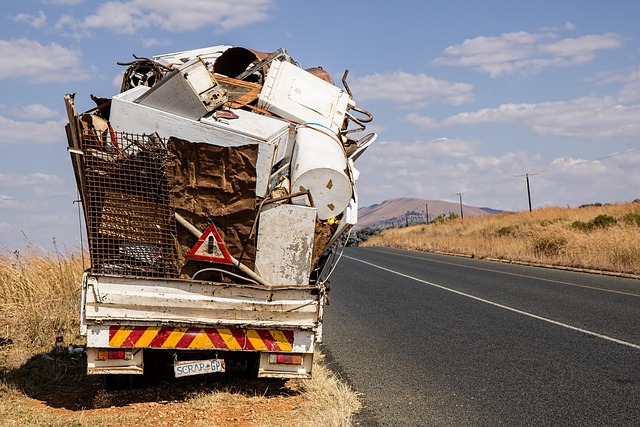
Image by Steve Buissinne from Pixabay
