





If you like our site, mark us as a preferred source on Google — so you’ll see our articles more often in search!
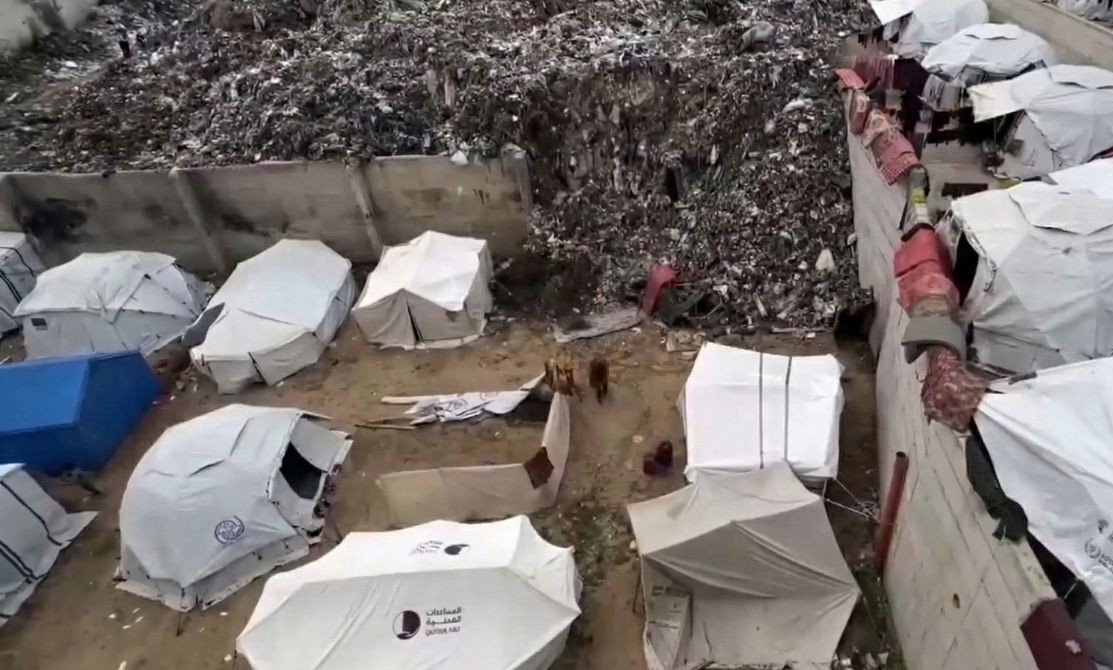
★Mark us as a preferred sourceIn Gaza, waste is no longer just refuse; it has become one of the last, albeit lethal, resources for survival. With official landfills inaccessible, over 300,000 cubic meters of solid waste have accumulated in temporary dumping sites across the strip. Due to the severe fuel blockade, residents are not only burning plastic for heating and cooking but are also attempting to extract liquid fuel through a dangerous process of domestic pyrolysis. This desperate measure releases highly toxic gases, causing immediate respiratory distress and long-term environmental degradation.
As a result of the ongoing conflict and blockade, approximately 80–90% of Gaza’s waste collection infrastructure has been destroyed or rendered inoperable. It is nearly impossible for collection vehicles to obtain diesel, causing trash removal to cease for weeks or months at a time, leading to unbearable hygienic conditions in displaced persons’ camps.
Quantitative Data: The Scale of the Crisis
The latest 2026 data from international aid organizations (OCHA, UNRWA) highlights the severity of the waste crisis:
-
Uncollected Waste: Approximately 1,200 tonnes of solid waste are generated daily across Gaza, only a tiny fraction of which can be transported.
-
Firas Market Dump: In Gaza City alone, the temporary landfill established near the Firas market has accumulated over 300,000 cubic meters of trash as of February 2026.
-
Fuel Shortage: Often, only 10–15% of the fuel required for the water and sanitation sector is allowed into the strip, leaving garbage trucks immobilized.
-
Disease Risk: Due to decomposing waste and the shutdown of sewage systems, cases of diarrheal diseases have risen to 25 times the pre-war baseline.
Alternative Fuel Production: “Oil from Plastic”
The most alarming phenomenon is the spread of fuels produced using makeshift domestic methods. Residents are forced to utilize plastic bottles, nylon bags, and other petroleum-based waste as energy sources:
-
Direct Burning: Plastic is burned directly for cooking and heating, saturating the air in tent camps with thick black smoke and high concentrations of dioxins.
-
Domestic Pyrolysis: Some residents heat plastic in sealed metal drums in an oxygen-free environment to derive a form of “dirty diesel” from the condensed vapors. This substance is then used to power generators or water pumps.
-
The Risks: This home-extracted fuel is highly contaminated, causing rapid wear on machinery. The toxic compounds released during its combustion—such as hydrochloric acid and toxic soot—enter the lungs of residents directly.
Environmental Catastrophe: Poisoning Soil and Water
The waste crisis extends beneath the surface. Leachate from unregulated dumps and the discharge of approximately 120,000 cubic meters of raw sewage daily are directly contaminating Gaza’s coastal aquifer. Chloride and nitrate levels in the groundwater far exceed health safety limits; nitrate concentrations in some areas have reached 400 mg/l, while the WHO recommended limit is 50 mg/l. This contamination is also ruining agricultural soil, making clean food production impossible.
Summary: A Vision of an Uninhabitable Region
Experts from the WRP and the UN warn that Gaza’s environmental collapse is no longer a future threat but a present reality. The burning of waste and the desperate fuel substitutes have created a public health time bomb with effects that will be felt for decades. Without fuel and access to manage waste properly, the territory is gradually turning into a toxic landfill where the price of survival is permanent health damage.
Official Sources and References:
-
Writers Resources Project (WRP) Feature Article: https://wrp.org.uk/features/israels-genocide-has-created-a-widening-environmental-catastrophe/
-
OCHA oPt – Gaza Humanitarian Response Situation Report (February 2026): https://www.un.org/unispal/document/ocha-gaza-humanitarian-response-situation-report-no-67/
-
UNRWA – Environmental Health Updates: https://www.unrwa.org/newsroom/official-statements/gaza-unbearable-living-conditions
