
'/%3E%3C/svg%3E)



If you like our site, mark us as a preferred source on Google — so you’ll see our articles more often in search!
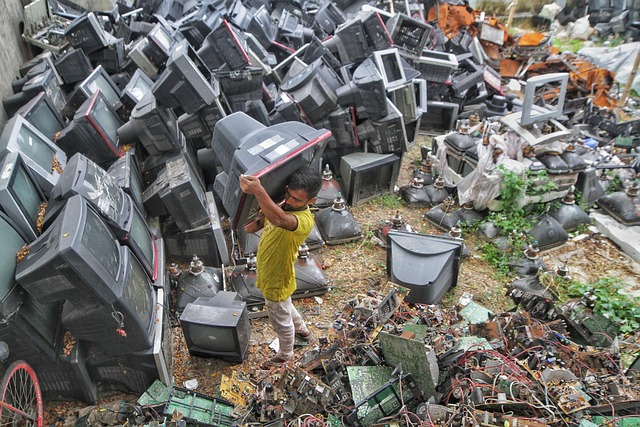
★Mark us as a preferred sourceWaste trafficking is driving severe environmental degradation and posing a direct threat to public health, particularly in low-income countries, according to a landmark report by the UNODC. Organized crime groups and rogue corporations have built a multi-billion dollar industry by exploiting weak regulations to ship hazardous electronic, plastic, and metal waste across borders. Experts warn that this “toxic trade” is contaminating water supplies, polluting the air, and causing chronic illnesses in vulnerable communities worldwide.
The report, titled Waste Crimes and Trafficking, serves as a comprehensive analysis of how organized crime facilitates the illegal movement of waste and undermines global efforts toward sustainable development.
The Billion-Dollar Toxic Business: Quantitative Data
The economic scale of the waste crisis is staggering, with criminal networks siphoning off vast resources that could otherwise support a circular economy. According to UNODC analysis:
-
The Recycling Gap: As of 2022, only about one-fifth of the world’s electronic waste (e-waste) is managed in an environmentally sound manner.
-
Lost Value: The raw materials contained in global e-waste—including iron, copper, and gold—are valued at an estimated $91 billion.
-
Criminal Profit: Out of this potential value, illegal traders are estimated to have “siphoned off” $28 billion, directly hindering economic sustainability and legitimate recycling industries.
-
The Cost Incentive: Illegal disposal and trafficking are often significantly cheaper than legal waste management services, providing a powerful financial incentive for companies to break the law.
Five Key Categories and Criminal Methods
The UNODC identifies five primary categories of waste that are most frequently trafficked and pose the greatest environmental risks:
-
Electrical and Electronic Waste (E-waste): One of the fastest-growing waste streams globally.
-
Plastic Waste: Often containing hazardous additives that are difficult to process.
-
End-of-Life Vehicles and Motors: The illegal movement of scrapped cars and parts.
-
Metals and Metal-bearing Waste: Trafficked for the high value of their raw components.
-
Mixed Waste Streams: Combinations of materials that are intentionally blended to hide hazardous contents.
To move these materials, criminal organizations employ sophisticated tactics, including document forgery, money laundering, and corruption. These groups often hide illegal shipments within legitimate trade flows, moving waste from high-income regions toward low-income areas where oversight is minimal.
A Public Health Emergency: Lead, Mercury, and Contaminated Water
Candice Welsch, the UNODC Director of the Division for Policy Analysis, emphasized that waste trafficking is not a victimless crime. The illegal dumping and open-air burning of waste release toxic chemicals into the atmosphere, soil, and oceans.
Developing nations frequently become the dumping grounds for hazardous materials containing lead and mercury. This leads to the contamination of local drinking water supplies and causes long-term health crises, including chronic respiratory and neurological diseases. The report also flags solar panels as an emerging source of waste that criminal networks are expected to exploit in the coming years.
Recommendations for International Action
The UNODC highlights that the profits from a single illegal shipment of e-waste often far exceed the legal penalties currently in place. To combat this growing threat, the organization recommends:
-
Enhanced International Cooperation: Improving the tracking of suspicious shipping routes and sharing intelligence across borders.
-
Harmonized Legal Frameworks: Aligning definitions of waste crime and increasing penalties to act as a genuine deterrent.
-
Improved Traceability: Investing in better monitoring systems and building the capacity of regulatory and law enforcement agencies.
The report concludes that a shift toward a truly circular economy, combined with rigorous law enforcement, is the only way to stop the devastating flow of toxic waste.
Official Source and References:
-
UNODC Official Press Release (Feb 25, 2026): Waste trafficking driving toxic pollution and harming public health, says UNODC
-
UN News Report: Organized crime and poor regulation to blame for toxic pollution threat
Consistent structure, quick answers: every article is built so that both readers and AI search tools can find the key points easily. Our content is produced with the help of AI tools and reviewed by our editor.
