
'/%3E%3C/svg%3E)



If you like our site, mark us as a preferred source on Google — so you’ll see our articles more often in search!
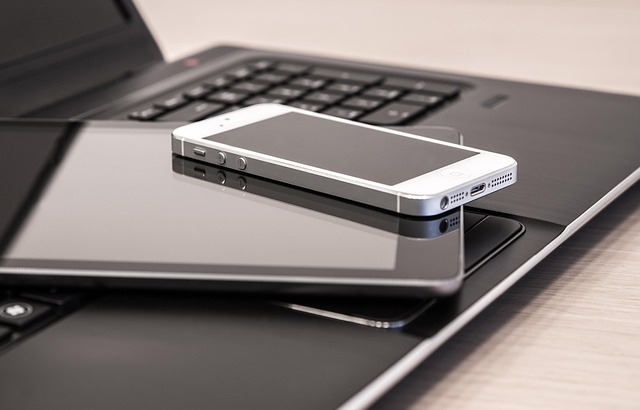
★Mark us as a preferred sourceAlthough consumer awareness is constantly growing, Hungarians are still reluctant to part with their old electronic devices. According to the latest research by MediaMarkt, “hoarding” e-waste at home remains a widespread phenomenon: 83% of households have at least one unused device. At the same time, the market for refurbished products is becoming more mature, with one-third of the population having already purchased such a device.
Most people use their electronic devices until they become completely inoperable. 38% of respondents only part with their broken computer when it becomes totally unusable. This rate is even higher among women (45%) compared to men (29%). While this attitude can be considered favorable in terms of sustainability—as it means maximizing device utility—the research highlights that the real problem is not the length of the lifespan, but the fact that discarded devices often do not reach the proper collection points.
E-waste Hidden in Drawers
A significant amount of unused electronic equipment accumulates in the majority of Hungarian households. The so-called “drawer effect” remains strong: 83% of homes have at least one unused device, while 42% have three or more.
Replaced devices typically do not return to the recycling loop; instead, they remain at home as reserves. The primary reason for this is a sense of security; many want to keep their old devices in case the new one breaks down. Furthermore, nearly one-fifth of respondents (18%) do not drop these devices off because they lack sufficient information about drop-off options.
It is a worrying phenomenon that e-waste is still occasionally disposed of in municipal waste in the capital. However, a positive development is that 15% of respondents already take advantage of trade-in options, handing in their old devices when purchasing a new one—for example, at MediaMarkt—thereby supporting the circular economy.
Incentives and Simplicity: This Can Drive Change
Financial incentives play a key role in expanding e-waste recycling. Based on the research, the market has moved from the information phase to the level of concrete action: while a year ago, 35% of respondents indicated they would use a trade-in option if offered a discount, this year nearly half of the population (44%) can be motivated by cash or price-based incentives.
In parallel, the market for refurbished electronic devices is also developing significantly. Pointing towards more sustainable consumption, 64% of Hungarians are open to refurbished devices, and 34% have already purchased such products. According to 2025 research, given a favorable price, most would choose laptops and tablets in a refurbished form, which indicates that with the right price-to-value ratio, refurbished products are a real alternative.
“Surveys clearly show that customers are becoming more conscious, but they translate their decisions into action mostly when they have a reliable background and tangible financial benefits. The market for refurbished devices is constantly expanding, which proves that Hungarian consumers are open to high-quality, sustainable solutions, especially when accompanied by expert guarantees. MediaMarkt’s Refresh! service and in-store trade-ins create exactly this connection: we offer tested refurbished devices with extended warranties at favorable prices, while making it easy to hand in old devices through our omnichannel network,” said Gábor Szilágyi, Managing Director of MediaMarkt Hungary.
Background
The research was conducted on behalf of MediaMarkt with the cooperation of Europion in March 2026. Data collection took place on a sample of 1,786 people, representative of the 18–59-year-old Hungarian population by gender, age, education, region, and settlement type. The analysis was supplemented with relevant results from research conducted in April 2025, also commissioned by MediaMarkt and carried out with the cooperation of Europion.
Consistent structure, quick answers: every article is built so that both readers and AI search tools can find the key points easily. Our content is produced with the help of AI tools and reviewed by our editor.
