


If you like our site, mark us as a preferred source on Google — so you’ll see our articles more often in search!
★Mark us as a preferred sourceAs the world’s leading producer and consumer of electronic goods, China is taking a decisive step toward environmental sustainability. According to the State Council of the People’s Republic of China, new national technical standards for the recovery and disposal of waste electrical and electronic products (WEEE) will take effect on March 1, 2026. Replacing the regulations in place since 2010, this reform addresses a decade of technological evolution by incorporating modern devices—such as drones, smart wearables, and self-service kiosks—into the national recycling framework. The Ministry of Ecology and Environment (MEE) emphasizes that these stricter guidelines are designed to eliminate illegal dumping and maximize the recovery of high-value raw materials.
Pei Xiaofei, a spokesperson for the MEE, announced during a recent press conference that the updated standards reflect the shifting landscape of the digital economy. While China’s previous focus was largely on traditional household appliances, the sheer volume and complexity of modern electronic waste necessitated a comprehensive overhaul of the technical and environmental requirements for the industry.
A Decade of Progress: Processing 1.3 Billion Units
China’s waste management infrastructure has already achieved massive scale. The data released alongside the new standards highlights the sheer magnitude of the task at hand:
-
Historical Milestones: Over the past decade, China has successfully processed more than 1.3 billion units of the five primary categories of electronic waste (TVs, refrigerators, washing machines, air conditioners, and PCs) through official, regulated channels.
-
Annual Waste Volume: The country currently generates more than 10 million tonnes of electrical and electronic waste every year, a figure that continues to grow as device lifecycles shorten and digitalization accelerates.
-
Urban Mining Potential: The government views this waste not merely as a hazard but as a strategic “urban mine,” rich in precious metals and rare earth elements essential for the green transition.
Expanded Scope: From Consumer Drones to Smart Cockpits
The most significant change in the 2026 standards is the dramatic expansion of the product categories subject to regulated disposal. The updated list acknowledges that the waste stream now contains far more than just “white goods.”
-
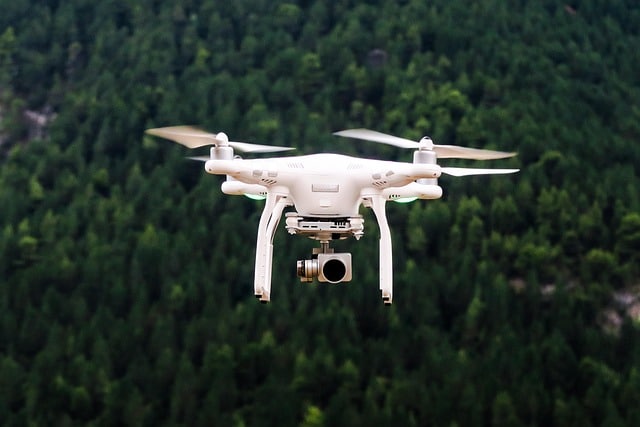
Consumer Electronics and Drones: For the first time, drones (both recreational and industrial) and smart wearable devices (such as smartwatches and fitness trackers) are included under mandatory recycling protocols.
-
Commercial and Service Automation: The regulations now cover self-service vending machines and automated checkout kiosks used in the retail sector, ensuring their complex circuitry is handled correctly at end-of-life.
-
Automotive and Specialized Electronics: Smart cockpit systems and advanced automotive electronics have been designated as a specific category, reflecting China’s global leadership in the electric and intelligent vehicle markets.
Strengthening Environmental and Technical Discipline
The new standards establish a rigorous “cradle-to-grave” oversight mechanism for electronic waste. Two primary documents form the core of this regulation: the Pollution control standard for the recovery and disposal of waste electrical and electronic products and the Technical specification for the resource recovery of waste electrical and electronic products.
-
Pollution Prevention: The guidelines set strict limits on the release of hazardous substances, such as heavy metals (lead, mercury, cadmium), flame retardants, and refrigerants (CFCs/HCFCs), during the disassembly process.
-
Storage and Logistics: Requirements for the collection, transportation, and temporary storage of e-waste have been refined to prevent leakage into soil and water systems before the waste reaches a certified processing facility.
-
Cracking Down on Illegal Practices: The MEE has vowed to increase enforcement against informal “backyard” recycling operations and illegal open-air dumping, which continue to pose significant local health risks.
Summary: A Pillar of the Circular Economy
The implementation of these standards on March 1, 2026, is a key component of China’s broader strategy to achieve a circular economy and meet its carbon neutrality targets. By standardizing the technical processes for a wider array of products, the government aims to create a more predictable and profitable environment for legitimate recyclers while drastically reducing the industry’s ecological footprint. As the digital transformation continues, China’s updated WEEE standards set a new global benchmark for managing the complexities of 21st-century waste.
Official Sources and References:
-
The State Council of the People’s Republic of China (Gov.cn) – News Release (Feb 27, 2026): https://english.www.gov.cn/news/202602/27/content_WS69a18c0fc6d00ca5f9a09634.html
-
Xinhua News Agency – China issues updated technical standards for waste electronics: https://english.news.cn/20260227/7c97a1cca8834287a28658a19c0dee2d/c.html
-
Ministry of Ecology and Environment (MEE) of the People’s Republic of China: https://english.mee.gov.cn/
Consistent structure, quick answers: every article is built so that both readers and AI search tools can find the key points easily. Our content is produced with the help of AI tools and reviewed by our editor.


