




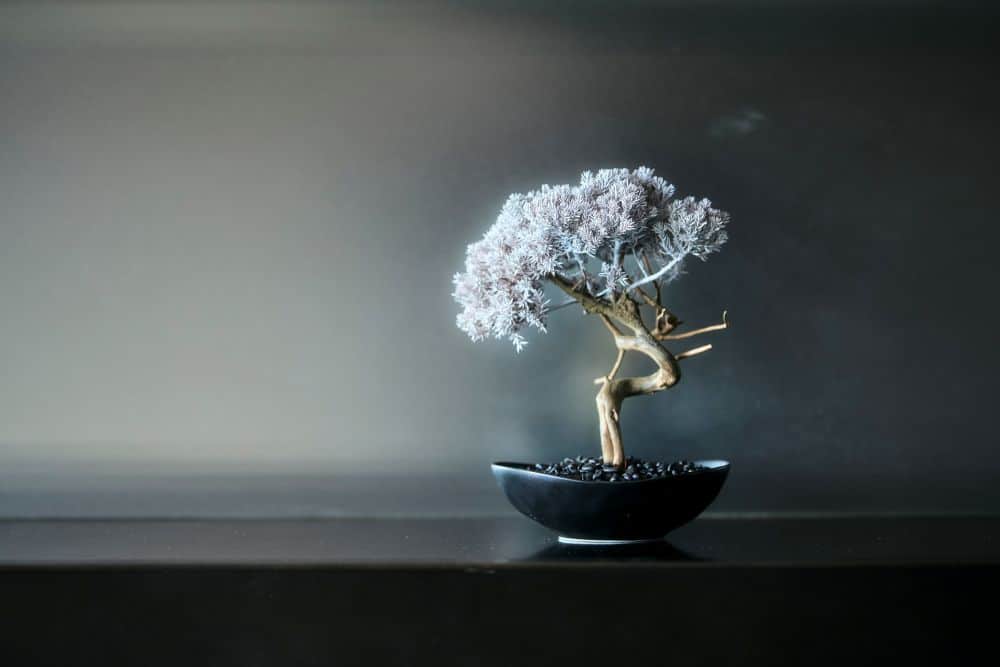
The Park Hotel Tokyo has unveiled the “WITHERS TAIZAN BONSAI” installation, a project that elevates traditional Japanese bonsai art into the world of contemporary sustainable design. Built on the core philosophy of being “Beautiful, even in withering,” the initiative transforms bonsai trees that have reached the end of their biological life cycles into maintenance-free masterpieces. This innovative approach represents a unique intersection of Wabi-Sabi aesthetics and cultural heritage preservation.
TOKYO – Caring for a bonsai tree is often a commitment spanning generations. However, at the end of their biological lives, these trees—possessing immense sentimental and cultural value—historically ended up as waste. The collaboration between the WITHERS project, founded by artist Taizan Tanaka, and Park Hotel Tokyo changes this practice. By utilizing artistic preservation and reconstruction methods, they ensure that the sculptural beauty formed over decades of careful cultivation is captured forever.
“Reborn Bonsai” Technology: Real Plants, Eternal Form
The source emphasizes that these installations are created without the use of artificial primary structures. The process follows a meticulous professional protocol to breathe new life into the dried remains:
-
Sourcing and Salvaging: The artists collect withered bonsai trees from across Japan that would otherwise be destined for disposal or incineration.
-
Cleaning and Preservation: The trunks undergo a thorough cleaning and drying process, followed by a proprietary, specialized preservation treatment.
-
Reconstruction: While maintaining the original curves and character of the wood, the “foliage” is reconstructed using real plant materials and preserved moss to recreate the appearance of a living tree.
-
Maintenance-Free: The resulting artworks require no watering, fertilizer, or sunlight, making them ideal for indoor environments where live plants often struggle to survive.
Quantitative Impact and Cultural Sustainability
The significance of the project lies in its focus on cultural sustainability and material conservation. Based on the provided data, the following highlights can be identified:
-
Total Uniqueness: Every “Reborn Bonsai” piece is 100% unique, as the foundational trunk was shaped by decades—or even centuries—of specific human care and natural growth.
-
Heritage Preservation: The project saves decades of labor from being lost. It translates the history of the tree into a permanent physical form, allowing the legacy of the original bonsai master to persist beyond the plant’s biological death.
-
Ecological Footprint: Because the artworks require zero water and are soil-free, they significantly reduce the ecological demands associated with indoor plant maintenance. Furthermore, as they are no longer “living plants,” they can be exported internationally without the strict quarantine restrictions that usually apply to live bonsai.
Wabi-Sabi Luxury: A New Standard in Hospitality
Located in the Park Hotel Tokyo’s Executive Museum Lounge, these works represent the concept of “Wabi-Sabi Luxury.” This philosophy finds a new form of high-end aesthetics in the marks of time, the beauty of imperfection, and the dignity of aging.
The installations harmonize with the natural light of the hotel’s atrium and the Tokyo skyline, creating a bridge between the past (traditional bonsai cultivation) and the future (sustainable art). For guests, these pieces serve as meditative points that highlight the cyclical nature of life and the importance of value preservation.
Summary
The “WITHERS TAIZAN BONSAI” project proves that recycling is not merely an industrial process but can also be a tool for salvaging intellectual and cultural heritage. The “rebirth” of withered bonsai trees is a sustainable initiative that respects nature while creating contemporary value in the urbanized environment of 2026.
Official Sources:
-
Park Hotel Tokyo Official: WITHERS TAIZAN BONSAI Exhibition Details
-
PR TIMES / EIN News: Park Hotel Tokyo Announcement of Reborn Bonsai Art
-
WITHERS Project: Beautiful even in withering – Official Philosophy