





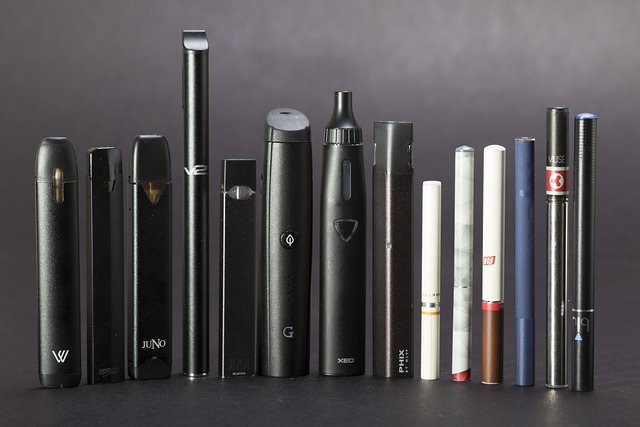
A recent study by researchers at the Hebrew University of Jerusalem has pointed out fundamental differences between the habits of disposable and refillable e-cigarette users. The research, led by Prof. Yael Bar-Zeev, highlights that the rise of disposable devices is not merely a matter of convenience but a serious public health risk: these devices expose users to significantly higher nicotine doses, leading to increased addiction and environmental burden.
The research team from the Braun School of Public Health and Community Medicine published their findings in the journal Public Health. The study aimed to map out how the choice of e-cigarette type influences users’ nicotine intake and their attitudes toward the product.
The Role of Nicotine Salts in Developing Addiction
One of the most important findings of the research is the chemical difference between the two groups of devices. Prof. Yael Bar-Zeev and her team pointed out that the spread of disposable e-cigarettes is driven by a technological innovation: the application of nicotine salts.
-
Smooth Sensation, Higher Dose: Unlike the “freebase” nicotine used in traditional e-cigarettes, nicotine salts do not cause strong throat irritation even at high concentrations. This allows users to inhale larger amounts of nicotine without experiencing discomfort.
-
Maximum Concentration: According to the study, the use of the highest permitted nicotine level (20 mg/ml) is much more common among users of disposable devices. In contrast, those using refillable systems often consciously choose liquids with lower concentrations.
-
Addiction Potential: The combination of faster absorption of nicotine salts and higher doses results in a stronger nicotine dependence among users of disposable devices compared to those using refillable devices in a more controlled manner.
Youth and “Convenience” Addiction
The research also revealed that the popularity of disposable devices has skyrocketed particularly among the younger age groups. Prof. Yael Bar-Zeev emphasized that the simplicity of the devices—requiring no charging, cleaning, or part replacement—significantly lowers the barrier to entry for new users.
The appeal of disposable e-cigarettes is further enhanced by an extremely wide range of flavors. The sweet and fruity aromas mask the presence of nicotine, which, according to researchers, gives consumers—especially those who have never smoked before—a false sense of security.
Environmental Footprint: Lithium in the Trash
The study did not ignore sustainability aspects either. Disposable e-cigarettes produce a significant amount of non-recyclable waste:
-
Batteries: Every single disposable device contains a lithium-ion battery that ends up in municipal waste after the tank is empty, wasting valuable raw materials.
-
Plastic and Metal: The frame of the devices and the integrated circuits also become trash after a single use, exacerbating the global electronic waste crisis.
Conclusions and Policy Recommendations
The research from the Hebrew University of Jerusalem sends a clear message to policymakers. According to Prof. Yael Bar-Zeev, public health strategies must take into account the differences between the devices.
The recommendations include:
-
Stricter limits on nicotine concentration in disposable devices.
-
Curbing flavorings and marketing activities targeting young people.
-
Tightening environmental regulations against the single use of battery-powered devices.
The report concludes that while e-cigarettes may help with smoking cessation in certain cases, the current form and popularity of disposable versions serve more to push a new generation into addiction than to move toward a smoke-free society.
Official Sources and References:
-
Original News Source (AZERTAC): Disposable vs. refillable e-cigarettes: what users’ choices reveal about health risks
-
Research Institute: The Hebrew University of Jerusalem – Braun School of Public Health
-
Professional Publication: Public Health Journal
