




If you like our site, mark us as a preferred source on Google — so you’ll see our articles more often in search!
★Mark us as a preferred sourceLegambiente, one of Italy’s most prominent environmental organizations, has published a comprehensive release on the environmental impacts of “fast fashion” and the phenomenon of the so-called “value-action gap” in textile consumption. The analysis highlights the modern paradox that while consumers are theoretically increasingly committed to ecological sustainability, their actual purchasing decisions in practice continue to be dominated by low prices and rapidly changing fashion trends, which exerts unsustainable pressure on global and European waste management systems.
What is the “Value-Action Gap” in Textile Consumption?
The central element of Legambiente’s referenced publication is the analysis of the tension between consumer psychology and market realities, known as the “value-action gap.” This concept describes the chasm that exists between shoppers’ environmentally conscious values and their actual purchasing actions.
Although social surveys consistently show that buyers are aware of the fashion industry’s extremely high water consumption, microplastic pollution, and carbon dioxide emissions, the aggressive pricing strategies and continuously renewed collections of fast fashion brands override eco-conscious principles. Immediate consumer gratification and economic accessibility hinder the mass adoption of more sustainable, but often more expensive or less accessible alternatives (e.g., ethical fashion, second-hand clothing).
Fast Fashion’s Ecological Footprint and the Quality Problem
The study focuses on a fundamental structural problem of the fast fashion business model: the artificially shortened lifespan of garments. The quality of textiles has drastically deteriorated in recent decades, and the dominance of mixed synthetic fibers (such as polyester and elastane) makes high-quality material recycling almost impossible.
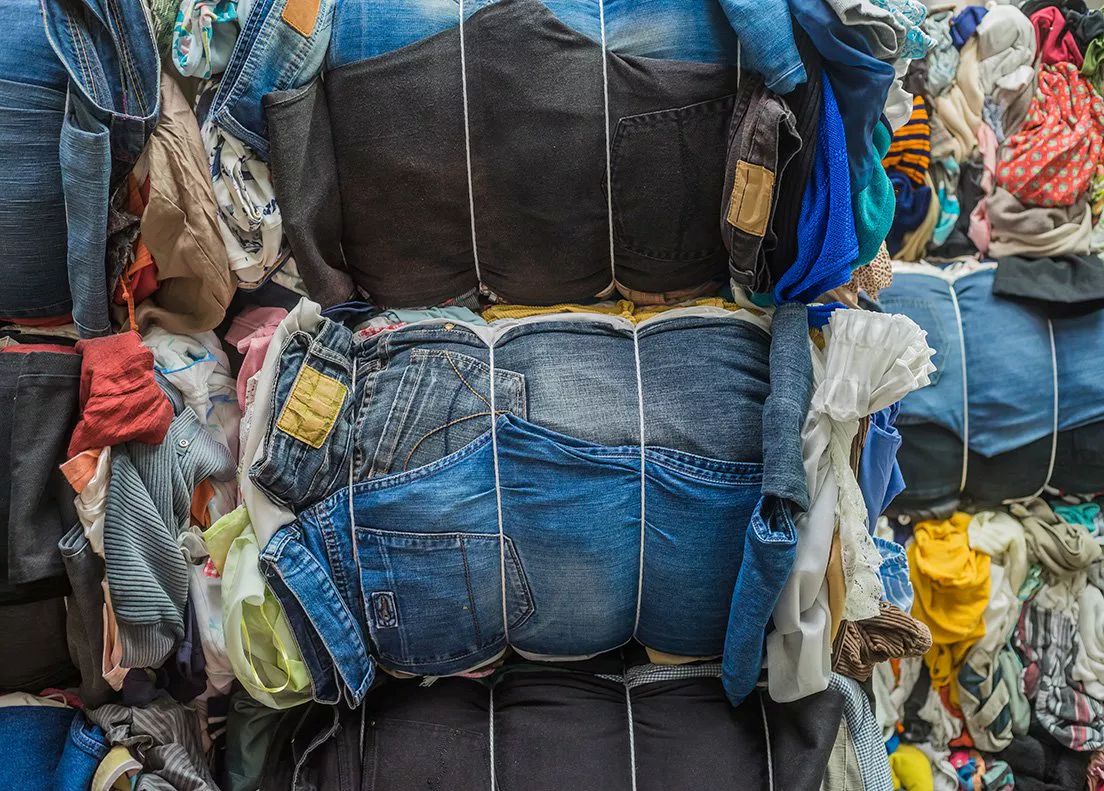
Legambiente points out that buyers wear a given garment fewer times than before disposing of it in the trash. This exponentially growing volume of textile waste imposes a severe infrastructural burden on municipalities and waste management entities, while a massive amount of raw materials is permanently lost due to the linear economic model (take, make, dispose).
The Need for Systemic Change and Regulation
According to the report, bridging the value-action gap cannot be shifted solely onto consumers. Legambiente’s position highlights that solving the problem requires systemic intervention at every point in the supply chain.
One of the most important tools for this is the strict application of the Extended Producer Responsibility (EPR) system in the textile industry, which is currently on the agenda in the European Union. EPR would obligate manufacturers and distributors to contribute financially to the collection, sorting, and recycling of textile waste. Additionally, the integration of “Eco-design” principles is crucial, ensuring durability and easy recyclability right from the design phase of the garments.
References and Official Sources:
-
Original Professional Release (Legambiente): Fast fashion e impatto ambientale: il value-action gap nel consumo tessile
