





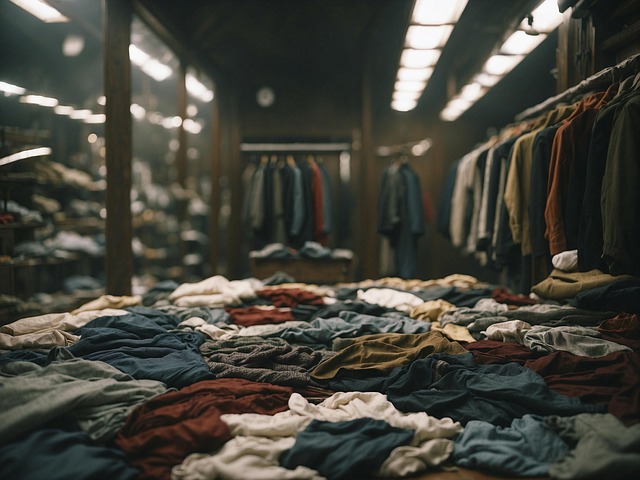
The French government officially announced on February 21, 2026, a significant increase in financial aid for the collection and sorting of used textiles, raising the support to €268 per tonne. This emergency measure, spearheaded by Minister Delegate for Ecological Transition Mathieu Lefèvre, aims to prevent a collapse of the domestic recycling industry. Faced with a flood of low-quality garments from ultra-fast fashion giants and rising operational costs, the state is intervening to preserve France’s industrial capacity and advance its circular economy goals.
This decision is more than just a financial lifeline; it is a strategic move to secure France’s “raw material sovereignty” over textile waste. By making domestic sorting more financially viable, the government aims to prevent the mass export of discarded clothing and ensure that high-value fibers remain within the French industrial loop.
Key Quantitative Data and Financial Targets
The official decree and the figures provided by Refashion (the French textile eco-organization) highlight the scale of the intervention:
-
New Support Level: Aid for sorting and collection has been raised to €268 per tonne for 2026.
-
Historical Increase: This represents a substantial rise from the €156 per tonne rate seen in early 2024 and the €228 per tonne previously set for 2025.
-
Volume Targets: The measure is designed to support the processing of approximately 250,000 tonnes of sorted textiles annually.
-
Collection Ambitions: France aims to collect 60% of all textiles placed on the market by 2028.
-
Market Pressure: Over 3.3 billion textile items are placed on the French market annually, underscoring the necessity for robust end-of-life management.
Combating “Ultra-Fast Fashion” with Economic Penalties
A central pillar of the announcement is the directive for Refashion to submit a concrete action plan by March 15, 2026, to implement a “malus” (penalty) system targeting ultra-fast fashion retailers.
-
Polluter Pays Principle: Brands that flood the market with non-durable, non-recyclable synthetic clothing will face higher environmental fees (eco-contributions).
-
Funding the Future: The revenue generated from these penalties will directly fund the increased €268 per tonne aid, shifting the financial burden from the taxpayer to the manufacturers responsible for the waste.
-
March 2026 Reform: Minister Mathieu Lefèvre announced that a comprehensive structural reform of the textile EPR (Extended Producer Responsibility) scheme will be unveiled by the end of March 2026, focusing on traceability and economic rationality.
Industrial Sovereignty and Local Recycling
The French Ministry emphasized that the €268 aid is contingent upon maintaining industrial capabilities within France. The government seeks to build a localized recycling ecosystem that can process fibers such as cotton and polyester back into high-quality raw materials.
-
Traceability: New standards will require stricter tracking of where collected textiles end up, ensuring they are not simply dumped in landfills abroad.
-
Technological Innovation: The state is incentivizing the development of automated sorting and chemical recycling technologies to handle the increasing complexity of blended fabrics.
The Role of the “Repair Bonus”
This collection aid complements France’s existing “Repair Bonus” (bonus réparation), which encourages consumers to extend the life of their clothing. While the bonus addresses waste prevention, the €268 collection aid ensures that when a garment finally reaches its end-of-life, it is handled in a way that preserves its material value for the next manufacturing cycle.
Summary: A Reference Point for the European Union
France’s bold step sets a benchmark for other EU member states, particularly as the revised EU Waste Framework Directive mandates separate textile collection starting in 2025. By establishing a guaranteed €268 per tonne support rate and penalizing unsustainable business models, France is positioning itself as the European leader in the transition to a circular textile economy.
Official Sources and References:
-
French Ministry of Ecological Transition – Press Release (Feb 21, 2026): ecologie.gouv.fr/presse/communique-presse-reforme-filiere-rep-textile
-
Modaes – France raises aid for textile collection: modaes.com/global/markets/france-raises-aid-for-textile-collection-to-268-euros-per-tonne
-
Refashion – Key Industry Figures: refashion.fr/chiffres-cles
