




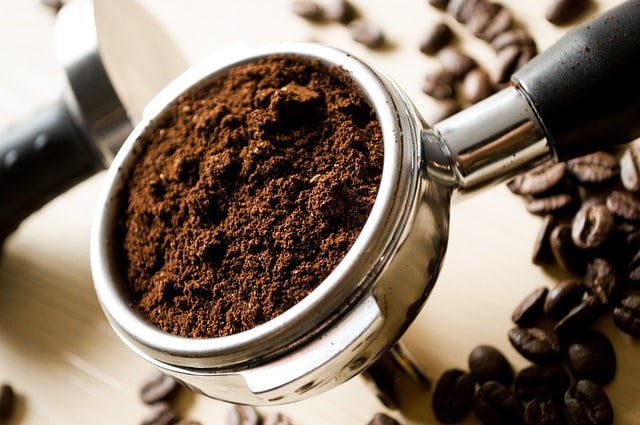
Coffee grounds are no longer just an environmental burden. Researchers at the Kunming University of Science and Technology have developed a revolutionary process for the industrial recycling of spent coffee grounds. According to the study published in the journal Biochar, nitrogen-rich porous biochar derived from coffee waste acts as a highly efficient, metal-free catalyst capable of converting highly toxic hydrogen sulfide H2S into pure, elemental sulfur. This discovery not only addresses the global coffee waste crisis but also drastically reduces the costs associated with industrial air purification. The following report details the quantitative efficiency and the technological potential of this innovation.
The research highlights that the unique chemical composition of coffee grounds—specifically their natural nitrogen content—provides catalytic properties that rival expensive noble-metal-based systems.
Quantitative Data: The Strategic Value of Waste
The published scientific data confirms the extraordinary efficiency of this new technology:
-
Temperature Optimization: The catalyst performs optimally at moderate temperatures, approximately 180°C, where the conversion of hydrogen sulfide is near-total.
-
Selectivity: During the process, the catalyst converts the toxic gas into elemental sulfur with nearly 100% selectivity, avoiding the formation of harmful by-products such as sulfur dioxide ($SO_{2}$).
-
Material Structure: The two-step production process (hydrothermal treatment followed by controlled thermal treatment) results in a material with a massive surface area, rich in pores and nitrogen-functional groups.
-
Regenerability: Researchers verified that the catalyst can be regenerated multiple times through simple washing and heat treatment, significantly lowering long-term industrial operational costs.
Why Coffee Waste is the Key
Removing hydrogen sulfide ($H_{2}S$) from industrial gas streams is a critical task. The gas is not only lethally toxic but also highly corrosive, destroying pipelines and expensive machinery. Traditional methods often rely on rare and expensive metals, such as ruthenium or iridium, as catalysts.
The breakthrough by the Chinese research team lies in leveraging the natural advantages of coffee grounds:
-
Metal-Free Catalysis: The nitrogen atoms and structural defects on the biochar surface activate oxygen molecules to perform oxidation. This eliminates the need for environmentally damaging heavy metals.
-
Circular Economy: This technology converts agricultural and urban biomass waste (coffee grounds) into a high-value environmental product (adsorbent/catalyst).
-
Cost-Effectiveness: Since the raw material is available in vast quantities virtually for free, the market entry of this technology could be exponentially cheaper than current commercial solutions.
Industrial Perspectives and Sustainability
The authors of the study emphasize that this sustainable chemical solution contributes directly to the UN Sustainable Development Goals (particularly Goal 12, regarding responsible consumption and production). The technology is scalable, making it suitable for short-term implementation in biogas plants, refineries, and wastewater treatment facilities to purify emissions.
The results demonstrate that with conscious design, biomass-based waste can replace rare raw materials even in heavy industrial processes, while simultaneously cleaning urban air and reducing the industrial ecological footprint.
Official Sources and Deeplinks:
-
Original Scientific Publication (Biochar, 2026): http://dx.doi.org/10.1007/s42773-025-00541-4
-
Bioengineer.org News Report (Feb 26, 2026): https://bioengineer.org/researchers-develop-sustainable-catalyst-to-transform-coffee-waste-into-clean-air-solution-by-removing-toxic-hydrogen-sulfide/
