




If you like our site, mark us as a preferred source on Google — so you’ll see our articles more often in search!
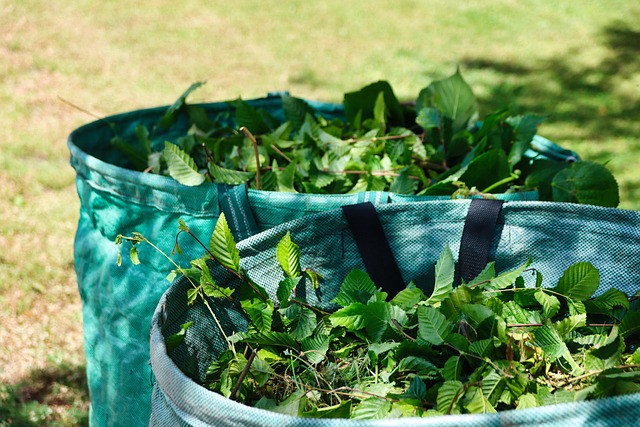
★Mark us as a preferred sourceStarting from the end of March, a new era has begun for British households: reforms introduced under the Environment Act 2021 have established a strict list of items that may no longer be placed in garden waste bins. Rule-breakers face the refusal of waste collection and potentially significant fines, while local councils have been mandated to implement separate food and garden waste collections.
A Unified System Instead of Chaos
According to data from the British Department for Environment, Food & Rural Affairs (DEFRA), a primary reason for the reform was the high level of uncertainty among the public regarding recycling rules. Under the new “Simpler Recycling” framework, all councils in England are required to collect the same core materials: paper, card, glass, metal, plastic, food waste, and garden waste.
The government’s objective is ambitious: by 2035, 65% of municipal waste must be recycled, which is estimated to result in greenhouse gas emission savings equivalent to £11.8 billion.
The Prohibited List: What Cannot Go in the Brown (or Green) Bin?
While garden waste collection continues to be provided, the fresh guidance itemizes the objects whose presence is considered a contaminant and may lead to the rejection of the entire waste load. The most important forbidden items include:
-
Plastics and Accessories: No plastic items may be placed in the bins, including bags or coffee pods labeled as “biodegradable” or “compostable.”
-
Construction and Garden Materials: It is strictly forbidden to mix sand, stones, gravel, or bricks into garden waste.
-
Sawdust and Wood Materials: Sawdust, as well as large branches and logs (exceeding the size limits specified by the local council), are also prohibited.
-
Garden Equipment: Old garden furniture, fencing, tools, and even plastic plant pots cannot be disposed of here.
-
Kitchen Waste: Interestingly, tea bags and coffee grounds have been removed from the garden waste list—these must now be placed in the new food waste caddies, which are collected weekly.
Quantitative Metrics and Costs
The reform affects not only content but logistics as well. While food waste collection has become free and weekly for everyone, garden waste collection may remain a paid service.
-
Subscription Fees: Many councils (such as North Somerset) charge an annual fee, which in 2026 can reach £70 per bin.
-
Bin Capacity: Standard residential garden bins are typically 140 or 240 liters, with collections generally occurring on a fortnightly basis.
-
Fines: In cases of improper disposal or contamination with prohibited materials, councils may issue a Fixed Penalty Notice (FPN).
New Directions in Waste Management: Toward a Circular Economy
According to Circular Economy Minister Mary Creagh, the goal is to end the “postcode lottery.” Households must now receive clear guidance regardless of where they live. However, this also means storing more bins: in front of an average British suburban home, there may now be as many as 4–5 different containers (general waste, paper/card, mixed recycling, food scraps, and garden waste).
According to government guidance, non-collectable garden tools and large wood waste must be transported to local Household Waste Recycling Centres (HWRC), where proper processing is ensured.
Official Sources and References:
-
Official British Government Guidance (Simpler Recycling): GOV.UK – Simpler recycling: household recycling in England
-
Original News Source: Nottingham Post – List of gardening items that can no longer be put in recycling bins
