


If you like our site, mark us as a preferred source on Google — so you’ll see our articles more often in search!
★Mark us as a preferred sourceThe Union of Gaza Strip Municipalities warns that the territory’s basic services – including waste management, water supply, and sewage treatment – are on the verge of collapse. Due to a severe shortage of fuel, industrial oils, and spare parts, the health of more than two million people and the local environment are in immediate danger, while a comprehensive humanitarian disaster seems inevitable.
Quantitative Data: Critical Numbers of Waste Management and Water Supply
According to reports from municipalities and water authorities, Gaza’s infrastructure handles massive amounts of resources and waste daily, the potential halt of which would have unforeseeable consequences:
-
More than 3,000 cubic meters of waste are collected daily across the territory.
-
Authorities operate dozens of wells and stations, providing more than 140,000 cubic meters of water daily for domestic use and drinking water for the population.
-
Parallel to this, approximately 60,000 cubic meters of sewage are pumped into the sea every single day to prevent it from flowing back and overflowing into populated areas.
Fuel and Spare Parts Shortages Paralyze the System
The primary cause of the rapid deterioration of services is the import restrictions imposed by Israel on industrial oils, diesel, spare parts, tires, pumps, and other equipment necessary for operating and maintaining vital facilities. The union of municipalities emphasized that the most serious threat currently is the shortage of industrial oils. The operation of generators, water wells, sewage pumping stations, and municipal machinery depends directly on these. If industrial oils run out, operations will stop immediately, even if a limited amount of diesel were still available.
If this shortage persists, the collection and transportation of the daily 3,000 cubic meters of waste could come to a complete halt.
Imminent Health and Environmental Disaster
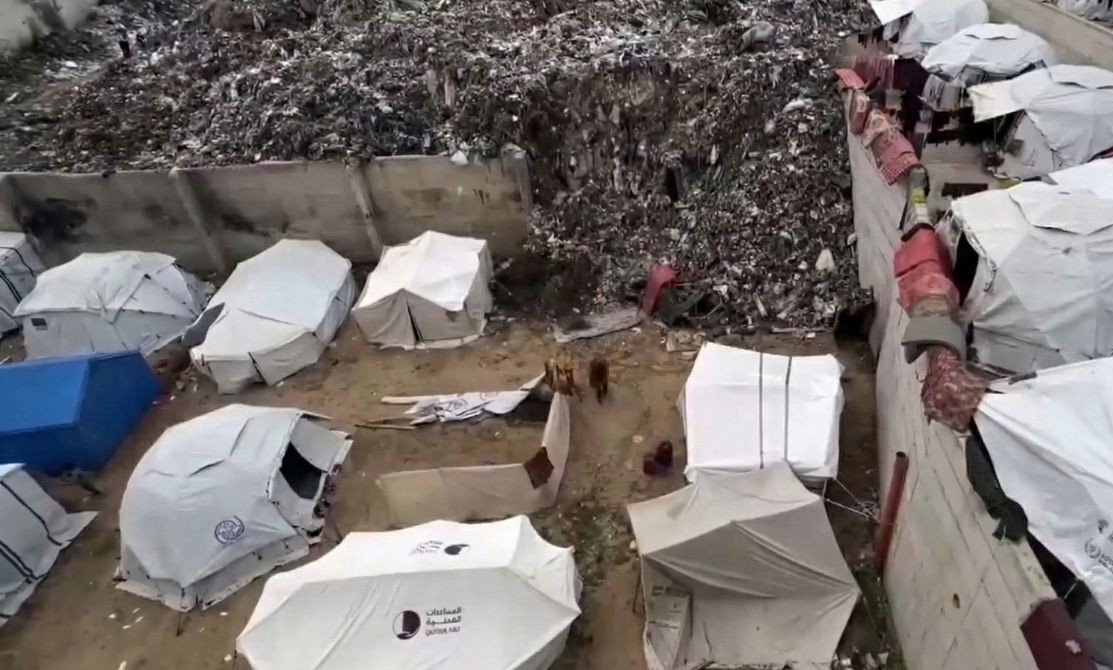
A halt in waste collection would result in garbage piling up in populated areas and shelters hosting displaced persons. This process drastically increases the risk of the outbreak of various diseases, epidemics, and the proliferation of insects and rodents. A potential total collapse of the municipal service system directly threatens public health and exacerbates the already critical living conditions of the more than 2 million people living in Gaza. According to the union’s statement, “time is running out,” and any further delay in providing the materials needed for operations will trigger a widespread crisis. The organization holds Israel fully responsible for the current situation and its humanitarian and environmental consequences.
Ceasefire Agreements and Victims of the Conflict
The report outlined in the TRT World article also covers the broader political and humanitarian background. According to the statement, Hamas fulfilled the conditions of the first phase of the ceasefire agreement, but Israel failed to meet its obligations, and negotiations for the second phase have stalled. Simultaneously, Israel prevented the entry of previously agreed quantities of food, medicine, medical supplies, shelter materials, and prefabricated houses into the Gaza Strip.
Currently, about 2.4 million people live in catastrophic conditions in the territory, including 1.5 million internally displaced persons. Citing Palestinian data, the article records that as a result of the Israeli attacks ongoing since October 2023, approximately 73,000 Palestinians have lost their lives, and more than 173,000 people have been injured, the majority of whom are women and children.
References and Sources:
-
Original reviewed article: TRT World – Gaza’s basic services near collapse…
-
Primary (state) source: The original English article was based on a report by AA (Anadolu Agency). Anadolu Agency is Turkey’s official state news agency. (Official website: aa.com.tr)


