


If you like our site, mark us as a preferred source on Google — so you’ll see our articles more often in search!
★Mark us as a preferred sourceThe Guinea landfill landslide that occurred on August 23, 2026, claimed the lives of at least 30 people in Conakry, the capital of the West African nation. Triggered by heavy overnight rainfall, the disaster at a massive open-air waste dump buried nearby homes and temporary shelters. Based on government statements and on-site reports, this article details the exact circumstances of the tragedy, the casualties, and the ongoing rescue operations.
The details and casualties of the Guinea landfill landslide
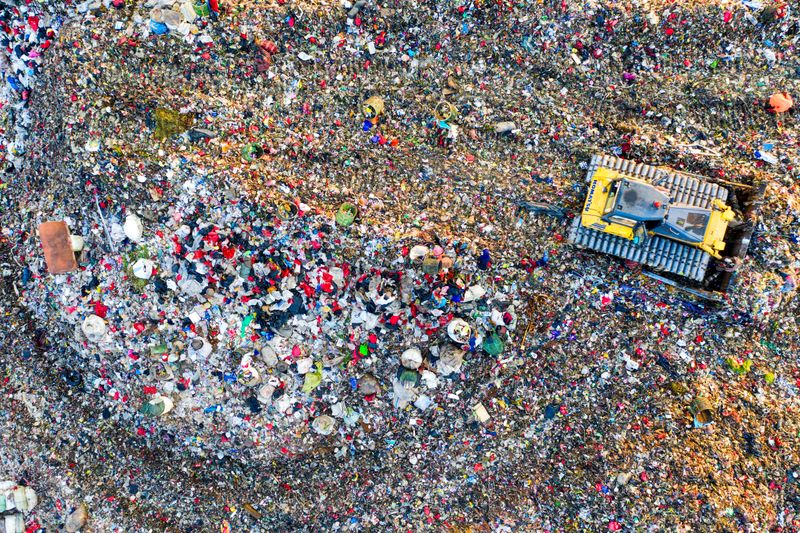
The disaster struck at around 2:00 AM in the Gbessia commune of Conakry, specifically at the Dar Es Salam waste disposal site. According to official government statements, heavy overnight rains caused a massive mound of waste to collapse at the city’s largest open-air landfill. The resulting avalanche of garbage and soil engulfed tents, shacks, and residential structures built in close proximity to the site. Eyewitnesses reported that the landslide was large enough to completely bury an apartment building along with more precarious dwellings.
The Guinean government confirmed that the death toll reached 30 people. At least 22 others were injured, with six people in serious condition and 16 sustaining minor injuries. The human toll of the tragedy was highlighted by a local resident, Cire Diallo, who told reporters at the scene that all five of her children were killed. “I have lost all my children. All I can do is put my trust in God,” she stated.
Government response and rescue operations
Following the disaster, search and rescue operations were immediately launched. Teams deployed excavators and other heavy machinery to clear the debris and waste piles in a desperate search for survivors. Guinea’s Prime Minister, Amadou Oury Bah, visited the disaster zone on Sunday to assess the damage and oversee the response efforts. The government issued a statement urging residents to remain calm, show solidarity, and strictly follow the instructions of rescue services and competent authorities.
Djenab Toure, Guinea’s Minister of Territorial Administration, announced at the scene that the remaining families living around the waste disposal site would be relocated. The incident occurred just days after authorities had announced plans to shut down the landfill. On August 20, Toure had indicated that the government was closing the site due to the immense danger it posed during the ongoing rainy season, with plans to relocate the waste outside Conakry. Lt. Col. Baldé Mamadou Bailo, a sanitation officer for the military engineering battalion, confirmed that the open-air dump had been designated for official closure on the very day of the disaster. Although eviction notices had been issued, many were still in the area when the collapse occurred.
Underlying causes and socio-economic context
This fatal Guinea landfill landslide has brought renewed attention to the severe issues of waste management, rapid urbanization, and inadequate infrastructure in Conakry. Guinea possesses the world’s largest bauxite reserves and the richest untapped iron ore deposit at Simandou. However, despite this mineral wealth, the West African country suffers from widespread poverty. According to a World Bank report, 3.7 million of the country’s 15.1 million people live on less than $4.20 a day, which is below the national poverty line. This economic disparity and poor infrastructure leave many vulnerable populations with no choice but to build temporary homes in hazardous areas, such as the perimeter of a massive landfill.


FAQ
Where exactly did the Guinea landfill landslide happen?
The disaster occurred in Conakry, the capital of Guinea, specifically at the Dar Es Salam open-air waste dump in the Gbessia commune.
How many casualties were reported in the disaster?
According to the official government statement, 30 people lost their lives, and at least 22 were injured, six of them seriously.
What caused the landslide?
The immediate trigger was heavy overnight rainfall, which caused a massive, unstable mound of waste at the landfill to collapse.
Sources & References:
This article is based on verified facts reported by AP News and The Hindu citing official Guinean government statements.


