




If you like our site, mark us as a preferred source on Google — so you’ll see our articles more often in search!
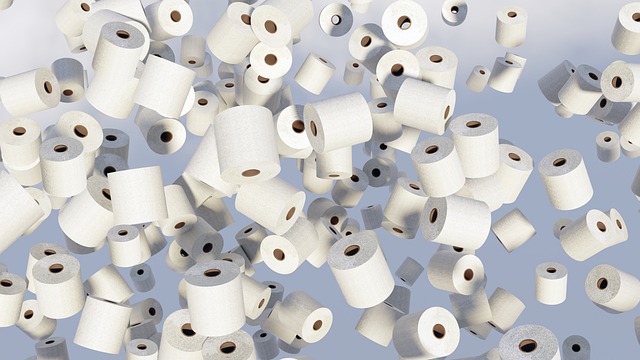
★Mark us as a preferred sourceThe Japanese government has issued an official appeal urging the public not to unnecessarily hoard toilet paper and other daily necessities amid fears of a war in the Middle East (specifically involving Iran). Reacting to a wave of panic buying spreading across social media, authorities and industry representatives are attempting to calm the market with concrete data: the island nation’s toilet paper supply is almost entirely independent of Middle Eastern imports, meaning domestic production capacities are in no direct danger.
According to reports published on March 23, 2026, Japanese social media—particularly the platform X (formerly Twitter)—has been flooded with posts detailing public stockpiling driven by tensions over a potential war in the Middle East. Consumers have begun purchasing a wide range of daily necessities in large quantities.
Based on photos and accounts shared on internet platforms, alongside toilet paper, residents have been stocking up on items such as cat food, various toiletries, and even towering stacks of Suntory beer, citing the uncertainty. “Toilet paper is completely sold out at the nearby drugstore. It seems everyone is starting to hoard,” The Straits Times quoted one concerned user’s post.
Historical Parallels: Not the First Occurrence
The panic buying and hoarding of toilet paper is by no means a new phenomenon in the island nation. The current behavioral pattern clearly echoes societal reactions from previous decades, when the Japanese public similarly attempted to secure basic household supplies in response to global or national crises. Historically, three major events triggered identical purchasing frenzies:
-
The 1973 Oil Crisis: This was the event that triggered the country’s first post-World War II economic downturn and made toilet paper hoarding a mass social phenomenon in Japan for the first time.
-
The 2011 Devastating Earthquake and Tsunami: Fears and logistical disruptions following the natural disaster once again led to panic buying.
-
The Covid-19 Pandemic: Due to the global disruption of supply chains, the mass hoarding of paper products was clearly observed in the recent past as well.
Official Data: 97 Percent Domestic Production
To alleviate growing social tension, Japan’s Ministry of Economy, Trade and Industry (METI) issued an official statement addressing citizens. The ministry is asking shoppers to make rational decisions based on accurate information when purchasing toilet paper and to avoid unnecessary stockpiling.
Industry data unequivocally refutes fears regarding supply chain vulnerabilities. Based on official information from the Japan Household Paper Industry Association, the quantitative facts are as follows:
-
Approximately 97 percent of the toilet paper used in Japan is produced domestically.
-
Domestic manufacturing relies on recycled paper and pulp.
-
The paper industry’s raw material supply does not depend at all on the Middle East.
The association added that the wartime events occurring in the Middle East have no direct impact on Japanese production, and the country’s manufacturing capacity is more than sufficient to immediately increase output to meet heightened demand if necessary.
Official Sources and References:
-
Original News Source: Japan tries to head off toilet paper panic amid Iran war fears (The Straits Times, March 23, 2026)
-
(State organ referenced in the article and issuing the official statement: Ministry of Economy, Trade and Industry of Japan, METI – www.meti.go.jp/english/)
