



Coinciding with Global Recycling Day (March 18) and World Water Day (March 22), the Barilla Group has released comprehensive data on its latest environmental and sustainability achievements. According to the report published by the Parma-based food industry giant in March 2026, 99.8 percent of the company’s packaging is now designed to be recyclable, while the recycling of water used in its plants has increased by 45 percent compared to 2022. Barilla’s new multi-million-euro investments aim to implement the circular economy and resource conservation on an industrial scale.
Increasingly Circular Packaging Solutions
To reduce food waste, improve product protection, and phase out fossil-based materials, Barilla has drastically transformed its packaging strategy. By applying its “Sustainable Packaging Principles”—introduced in 1997 and continuously updated since—the company has achieved outstanding quantitative metrics in the market:
-
99.8 percent of the packaging for products placed on the market is intrinsically designed to be recyclable.
-
Over 50 percent of the Group’s global packaging materials already come from recycled sources.
-
71 percent of the entire packaging portfolio is paper– or cardboard-based, marking a significant step toward eliminating plastic dependency and petroleum derivatives.
According to official information, Barilla pasta packaging is now considered an industry benchmark for food safety, quality preservation, and minimizing environmental impact. The company’s long-term objective is to permanently remove an additional 4,000 tons of packaging material from the market by 2030 through continuous redesign projects.
Water as a Strategic Resource to Protect
Maintaining the balance of pasta production and agricultural ecosystems is unimaginable without water, making its protection a central element of Barilla’s operational management. The company focuses on progressively reducing water consumption during manufacturing processes and driving recovery and reuse practices on an industrial scale within its plants and the supply chain. Based on the published statistics:
-
In 2024, the volume of recycled and reused water globally increased by 45 percent compared to the 2022 baseline year.
-
In geographic regions most severely affected by water scarcity (water-stressed areas), this increase in recycling reached a remarkable 164 percent.
Multi-Million-Euro Investments in the Rubbiano Plant
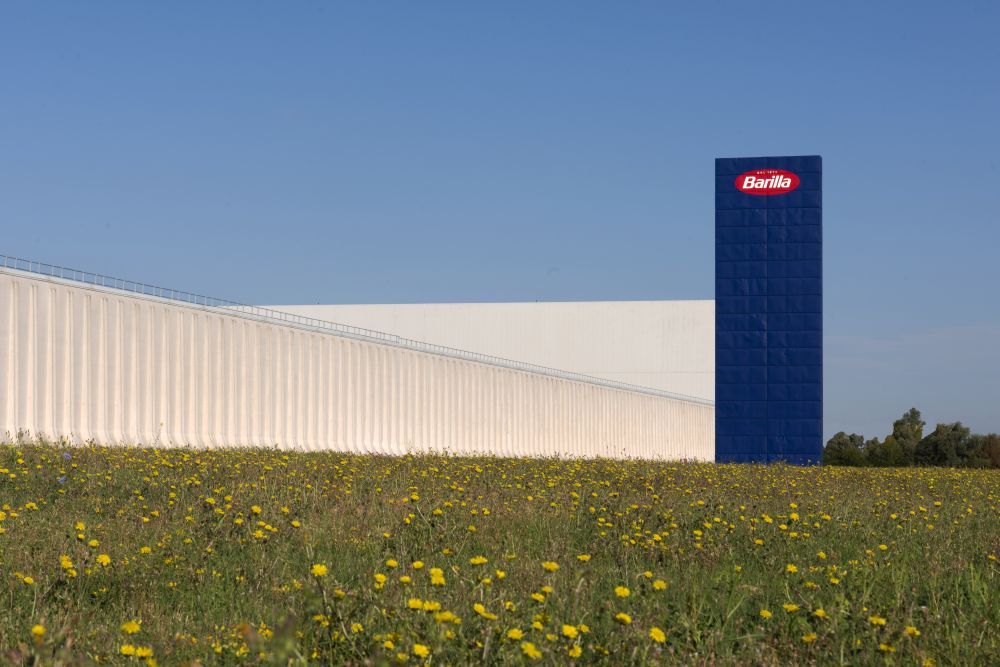
One of the most important testing and implementation centers for these sustainability efforts is the Rubbiano plant near Parma, Italy, which specializes in the production of sauces and pestos.
Plans indicate that a targeted investment of over €5 million will be executed at this facility in the near future. This significant amount is part of a comprehensive €168 million “Energy & Water Plan” launched by the Group in 2024. The officially recorded, long-term goal of this development program is to drastically increase the recycled water index in the most water-stressed areas by 250 percent by 2030, compared to the 2022 measurement data.
Official Sources and References:
-
Original Press Release (Business Wire, March 2026): Recyclable Packaging and Responsible Water Management: Barilla’s Commitment to a More Sustainable Future
-
Official Parent Company Website: Barilla Group – Sustainability Reports