





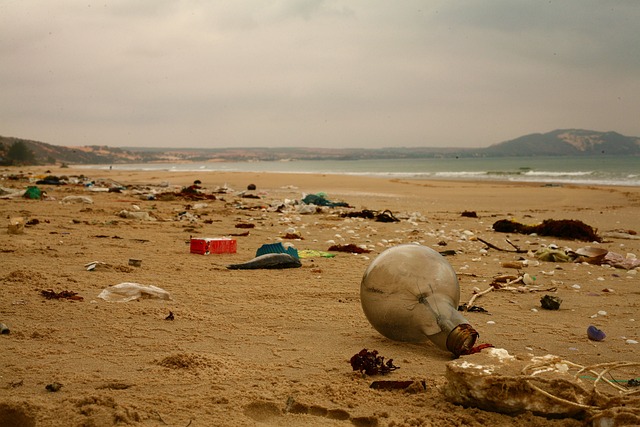
Southeast Asian lawmakers and human rights organizations have issued a joint statement calling on ASEAN member states to develop a coordinated, human rights-based regional action plan. The document, released on February 18, 2026, highlights that the entire lifecycle of plastic—from extraction to waste trade—poses a systemic threat to public health and fundamental human rights, particularly in countries of the Global South.
Signatories of the statement argue that plastic pollution is not merely a waste management issue but a deeply rooted social injustice. Through the phenomenon of “waste colonialism,” waste streams from developed nations overwhelm regions with weaker infrastructure, posing severe health risks to local communities.
A Systemic Threat: Data and Facts
Research supporting the joint statement indicates that plastic pollution has reached critical levels in the region. Although a significant portion of global plastic production is concentrated in developed countries, Southeast Asia bears a disproportionate share of the environmental and health consequences.
The gravity of the problem is illustrated by the following data:
-
Over 13,000 Organizations: The Break Free From Plastic movement’s global network includes thousands of supporters demanding a drastic reduction in plastic production.
-
Reporting Gaps: Due to material loss during sorting operations, actual recycling rates are often 15-20% lower than those indicated by official statistics.
-
Health Impacts: Of the more than 10,000 chemicals found in plastics, at least 2,400 are proven to be harmful to human health, affecting the endocrine system and reproductive capabilities.
Key Demands: The Regional Action Plan
The document urges the development of a Regional Action Plan grounded in human rights, gender equality, and environmental justice. The statement demands change in five key areas:
-
Ban on Waste Imports: A total ban must be implemented across the ASEAN region on the import of plastic waste, with a clear phase-out roadmap and rigorous enforcement.
-
Parliamentary Oversight: Mechanisms must be established to monitor the implementation of environmental regulations and ensure corporate accountability.
-
Human Rights Framework: Plastic pollution must be recognized as a regional human rights emergency, ensuring the right to a clean and healthy environment.
-
Just Transition: Financial and capacity-building support must be provided to waste pickers and informal sector workers during the transition away from plastic dependency.
-
Corporate Responsibility: Legally binding rules must be established to cap global plastic production, preventing environmental racism.
Responding to Diplomatic Stagnation
The timing of the statement is critical: negotiations for a global plastic treaty (INC-5.2) in Geneva earlier in 2026 concluded without a substantive agreement. Civil society and regional leaders argue that the sluggishness of international diplomacy cannot serve as an excuse for delaying action.
Marcos A. Orellana, UN Special Rapporteur, highlighted that addressing the plastic crisis is essential for the full enjoyment of human rights. The Southeast Asian statement serves as a response to “neglected and slow” global processes, urging a form of bottom-up, regional leadership.
Summary: Solidarity and Transformation
The regional call for action sends a clear message: plastic pollution is not just an aesthetic or environmental problem, but a fundamental human rights issue. The success of this initiative depends on solidarity among ASEAN countries and strict state control over corporations. By taking a unified stand, the region can set a global example of integrating the circular economy with the protection of human rights.
Official Sources and References:
-
Break Free From Plastic – Official Joint Statement (Feb 18, 2026): https://www.breakfreefromplastic.org/2026/02/18/human-rights-joint-statement/
-
UN Office of the High Commissioner for Human Rights (OHCHR) – Special Procedures: https://www.ohchr.org/en/special-procedures/sr-toxic-wastes
-
ASEAN Parliamentarians for Human Rights (APHR) – Regional Initiatives: https://aseanmp.org/
