




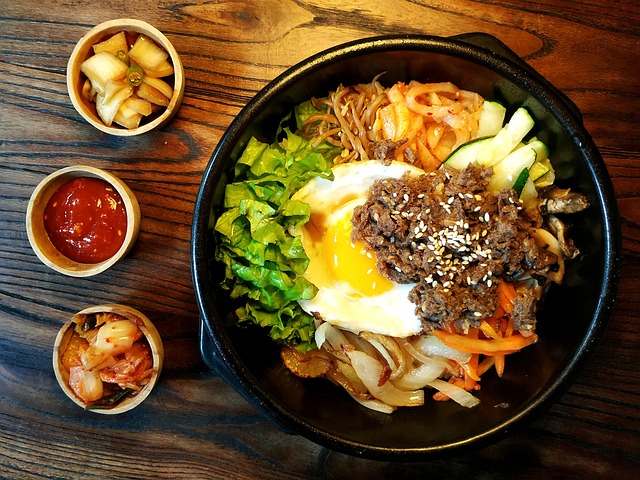
South Korea’s gastronomic exports are soaring, with gochujang and ganjang becoming household staples worldwide. However, global success comes at a significant cost: the accumulation of “sauce residue,” a solid by-product of traditional fermentation, is triggering a sustainability crisis. Due to extremely high salt content, these materials are unfit for standard composting, forcing the industry to urgently seek new technological solutions to manage growing mountains of waste.
SEOUL – While South Korea celebrates the global dominance of “K-Food,” domestic food processing plants are facing an escalating environmental dilemma. According to The Korea Herald, the management of solid residues (such as soy sauce dregs) left over from fermented soybean-based products has reached a critical tipping point where current waste management infrastructure is no longer sufficient to mitigate environmental risks.
Quantitative Data: The Scale of Waste Production
Citing data from the South Korean Ministry of Agriculture, Food and Rural Affairs (MAFRA), the report reveals dramatic figures:
-
Annual Volume: Approximately 30,000 to 50,000 tonnes of solid by-products are generated annually in South Korea solely from the production of fermented sauces.
-
The Root of the Problem: These by-products possess an exceptionally high salt concentration, often ranging between 10% and 15%.
-
Disposal Rate: Currently, over 70% of this waste ends up in landfills or incinerators, as agricultural recycling remains severely limited.
Why Korean Sauce Waste Cannot Be Composted
Most food industry by-products (such as brewer’s spent grain or tofu dregs) are recycled as animal feed or bio-fertilizer. However, for Korean sauces (jang), this cycle is broken.
During the production of gochujang (chili paste) and doenjang (soybean paste), the salt content of the residual matter is so high that if applied directly to soil, it would cause salinization, destroying the microbiological balance of the land. In animal husbandry, it can only be mixed into base feed in minimal proportions (below 2-3%), otherwise, it threatens animal health. Consequently, for manufacturers, this by-product is not a resource but a hazardous waste involving significant disposal costs.
Economic Pressure and the Regulatory Environment
Under South Korea’s stricter 2026 environmental regulations, food manufacturers are required to increase their waste diversion rates. Major corporations, such as CJ CheilJedang and Daesang, are allocating substantial funds to research and development.
The Korea Herald notes that transportation and incineration costs have risen by 25% over the past two years, a cost that is directly incorporated into the consumer price of the sauces. Smaller, traditional factories—which account for a significant portion of production in rural areas—are in a particularly difficult position as they lack proprietary waste-treatment technologies.
Technological Solutions on the Horizon
To resolve the crisis, South Korean research institutes and startups have initiated several development tracks:
-
Desalination: Developing membrane technologies capable of economically extracting salt from the residue, making it suitable for composting.
-
Bioenergy Production: Generating biogas through anaerobic digestion, although high salinity continues to hinder bacterial activity in these systems.
-
Industrial Raw Material: Experiments are underway to use the residue in the construction industry (e.g., as a brick additive), where salt content is a less critical factor.
Social Responsibility and the Future of K-Food
The analysis highlights that Korean consumers are becoming increasingly eco-conscious. A recent survey indicates that 65% of shoppers prefer brands that can demonstrate sustainable management of the waste generated during production. For the industry, achieving “Zero Waste” is not just an ethical obligation but a prerequisite for maintaining global competitiveness.
Summary
The problem of by-products in Korean sauce production illustrates that even the oldest, seemingly most natural food processes can leave a significant ecological footprint when scaled to modern industrial levels. The 2026 data sends a clear message: the success of “K-Food” can only remain sustainable if Korean traditions meet 21st-century green technologies.
Official Sources:
-
The Korea Herald (April 2026): Sustainability crisis in the traditional sauce industry
-
MAFRA (Ministry of Agriculture, Food and Rural Affairs, South Korea): Annual Report on Food Processing Waste
-
Korea Food Research Institute (KFRI): Studies on Jang-residue upcycling technologies