


If you like our site, mark us as a preferred source on Google — so you’ll see our articles more often in search!
★Mark us as a preferred sourceBy 2026, sustainable packaging trends have shifted from a marketing “extra” to a core consumer expectation. While eco-friendly packaging was once considered just a nice-to-have, today’s shoppers demand responsible practices from brands. If a package feels unnecessary or wasteful, it stands out immediately and negatively impacts the brand’s perception in e-commerce.
How Sustainable Packaging Trends Are Reshaping Buyer Decisions
Consumer attitudes have fundamentally changed: what was once ignored and thrown away is now actively questioned and judged. Packaging is now an essential part of the product experience, reflecting how much a brand truly cares about its environmental footprint. According to McKinsey global research, recyclability and sustainable characteristics rank highly among consumer priorities globally.
In e-commerce, packaging is the very first physical interaction with a brand; this unboxing moment directly shapes long-term trust and loyalty. For more insights into these market changes, check out this recent sustainable packaging study. Furthermore, sustainable packaging reduces post-purchase dissonance: responsible materials create a sense of relief and reassurance, whereas wasteful packaging creates guilt and disappointment for the buyer.
What Do Consumers Expect from Packaging in 2026?
Current consumer behavior highlights four main pillars of expectations regarding sustainable packaging:
-
Clear Information and Honest Communication: Consumers want simple instructions on what the package is made of and how to dispose of it, avoiding confusing symbols.
-
Easy Recycling With No Extra Effort: Recyclability must fit within current systems. If a buyer has to search online to find which bin to use, it creates a frustrating experience.
-
Reducing Plastic Use: Shoppers are actively looking for alternatives with fewer plastics, leaning heavily toward paper, fibers, or biodegradable options that signal visible responsibility.
-
Simple Design: Minimizing unnecessary layers and features proves that a brand prioritizes purpose and genuine sustainability over flashy appearances.
Transparency and the Fight Against Greenwashing
In 2026, consumer trust is not given; it must be earned through radical transparency. Vague buzzwords like “eco-friendly” or “green packaging” now trigger immediate red flags if they lack clear, factual explanations.
Brands must shift from using empty adjectives to providing concrete, quantitative data. Instead of a generic “sustainable” claim, brands should state: “This packaging comes from 100% post-consumer recycled materials and can be easily composted”. Honesty is valued more than perfection. The transparency gap means being truthful about material limitations. For instance, if a package is 90% recyclable but contains a specific plastic adhesive that is not, highlighting this exact fact is far more trustworthy than slapping a “100% green” label on it.
Why Paper Meets Modern Consumer Demands
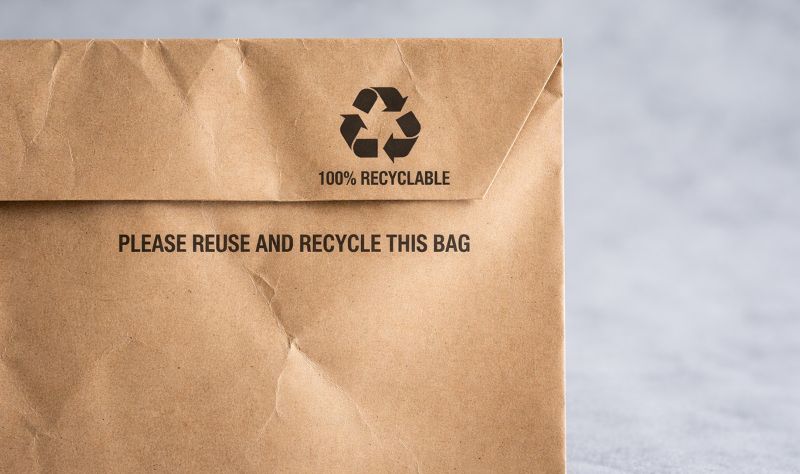
Paper is leading sustainable packaging trends because it perfectly matches both the technological requirements of recycling and the psycho-social needs of modern consumers. Unlike high-tech bioplastics that require industrial composting facilities, paper has an intuitive lifecycle that everyone understands. Consumers do not need to scan a QR code to figure out how to recycle a cardboard box, effectively removing the “eco-anxiety” associated with complex disposal.
FAQ: Sustainable Packaging Trends
Why are sustainable packaging trends crucial in 2026?
Because consumers no longer see sustainability as just a marketing story; it is now a basic expectation and a core brand responsibility.
What specific information do consumers want on packaging?
They want clear, data-driven facts rather than buzzwords—like knowing a box is 100% post-consumer recycled or acknowledging if a package is 90% recyclable but has a non-recyclable adhesive.
Why is paper packaging highly preferred by consumers?
Paper provides an intuitive lifecycle that does not require scanning QR codes or looking up disposal instructions, completely removing the frustration and “eco-anxiety” of recycling.
Original source:


