




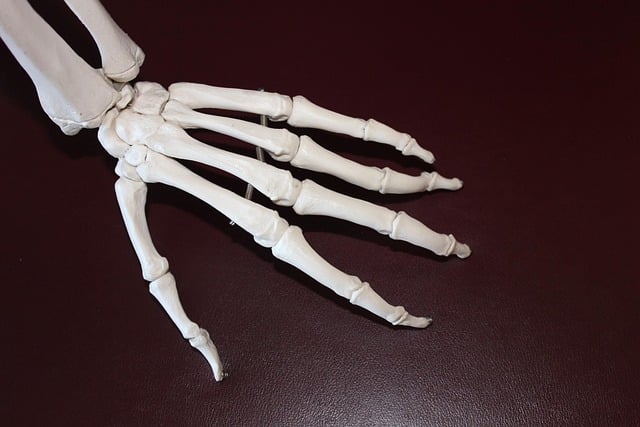
In the city of Poltava, a group of dedicated medical students is addressing two of Ukraine’s significant challenges: environmental pollution and a chronic shortage of medical educational materials. Through the UNICEF UPSHIFT program, the “Alium” team has established a 3D-printing laboratory that transforms recycled plastic waste into realistic anatomical models. This initiative not only provides essential tools for future doctors but also highlights the health risks associated with microplastics in the environment.
The Alium team consists of five medical students: Anastasiia, Olha, Myroslava, Anna, and another Anastasiia. Their project, born out of a desire to improve both medical training and ecological health, has become a prime example of how youth-led innovation can provide practical solutions during a time of crisis.
Innovation Driven by Environmental Health
The core inspiration for the project came from the students’ growing awareness of microplastic contamination. “As medical students, we see more and more evidence that microplastics play a significant role in the development of many diseases,” explained Anastasiia, the team lead. This realization led them to view plastic waste not merely as trash, but as a potential resource for the medical community.
By integrating their medical knowledge with environmental activism, the team joined the UPSHIFT program, specifically focusing on its ecological cohort in the Poltava region. This allowed them to develop a methodology where collected recyclables are processed into filament for 3D printers, which are then used to manufacture detailed anatomical models like organs and bones.
The UPSHIFT Methodology: Empowering a Generation
The success of the Alium project is rooted in the UPSHIFT program’s structured approach to youth innovation.
-
Identifying Problems: Students are encouraged to identify specific issues in their communities and develop creative solutions.
-
Mentorship and Training: Participants receive professional guidance on project management, technical implementation, and sustainable business modeling.
-
Funding: The program provides the necessary financial resources to turn theoretical ideas into functional enterprises, such as the Alium 3D laboratory.
In Ukraine, the UPSHIFT program has been active since 2018 and has empowered over 1,000 youth teams to create positive social changes across various sectors, including education and environmental protection.
Quantitative Impact and the Vision for a National Network
The Alium team’s work addresses a critical gap in the Ukrainian educational system.
-
Cost Efficiency: While commercial anatomical models are often expensive or difficult to import, 3D-printed models made from recycled materials cost a fraction of the price.
-
Sustainability: The project redirects plastic waste from landfills and repurposes it for high-value scientific use.
-
Scaling Potential: Anastasiia envisions a nationwide network of medical students who collect plastic waste in their respective cities and exchange 3D models and research data.
This collaborative vision aims to create a more environmentally conscious generation of healthcare professionals while ensuring that all medical students in Ukraine have access to high-quality training aids.
Conclusion: Technology in the Service of Society
The Alium project demonstrates that even under the pressures of war, innovation and sustainability can go hand-in-hand. With the support of UNICEF and its partners, these students have proven that they are not just passive learners but active problem-solvers. By turning plastic waste into anatomical models, they are literally building the future of Ukrainian medicine one layer at a time.
Official Source and References:
-
UNICEF Ukraine – Medical students transform recyclables into anatomical models: https://www.unicef.org/ukraine/en/stories/medical-students-transform-recyclables-anatomical-models
-
UNICEF UPSHIFT Programme Ukraine: https://www.unicef.org/ukraine/en/upshift
