




If you like our site, mark us as a preferred source on Google — so you’ll see our articles more often in search!
★Mark us as a preferred sourceTurkey is preparing comprehensive new regulations to combat plastic pollution. According to a report by the state-run Anadolu news agency, the draft aims to ban the sale of the most common single-use plastic products and gradually phase them out of the market. While the Turkish government expects significant emission reductions and billions in savings from these measures—aligning itself with European Union directives—the country continues to face severe international criticism regarding massive waste imports arriving from Europe.
The new draft regulation, developed by the Turkish Ministry of Environment, Urbanization and Climate Change, is part of a broader environmental strategy. The framework is directly integrated into the government’s 2025–2028 National Circular Economy Strategy and Action Plan, as well as a comprehensive roadmap aimed at reducing single-use plastics, marine litter, and microplastics.
Based on statements from ministry officials, the primary goal of these measures is to minimize the environmental impact of plastic waste and harmonize Turkey’s domestic policies with the European Union’s 2019 Single-Use Plastics Directive.
Banned Products and the Promotion of Eco-Friendly Alternatives
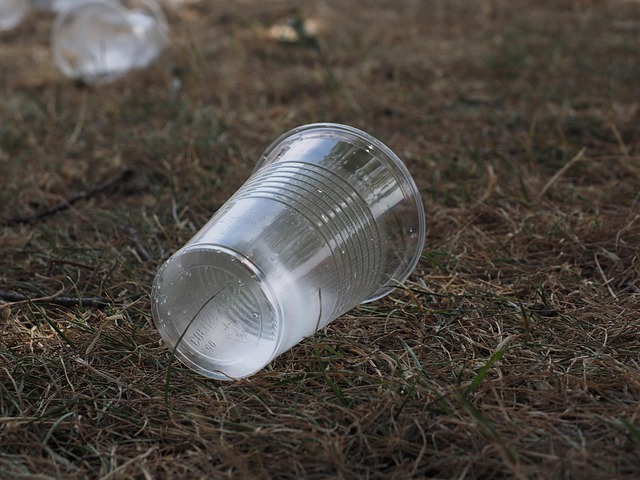
Under the proposed regulations, disposable plastic items that are frequently used in everyday life and contribute significantly to environmental pollution will be gradually phased out of commercial circulation. Alongside the ban, the government is offering alternatives: the ministry explicitly plans to encourage the use of traditional and sustainable materials to replace plastics, such as glass, porcelain, wood, and cardboard.
In addition to products falling under a total ban, the government is considering further restrictive measures. Plans include stricter regulations and mandatory new labeling requirements for products that partially contain plastic—such as beverage and food containers, shopping bags, wet wipes, and surface cleaning wipes.
Emission Reductions and Savings: The Draft in Numbers
According to official ministry estimates, removing these single-use plastic products from the market would yield highly significant, measurable ecological and economic benefits for Turkey:
-
Climate and Air Protection: The measure could prevent the emission of approximately 1.5 million tons of carbon dioxide equivalent annually.
-
Budgetary Savings: In the realm of waste management and processing expenditures, implementing the ban would result in annual savings of roughly 1.5 billion Turkish lira for the state treasury.
The Paradox: Strict Domestic Rules While Foreign Trash Pours In
The report highlights a severe contradiction in Turkish waste management policy. Although the country is taking firm steps to curb the domestic consumption of single-use plastics, it simultaneously faces increasingly fierce international criticism for its role in global waste imports.
The report points out that after China drastically restricted the acceptance of foreign waste, a significant portion of plastic waste exports from Europe was diverted to Turkey. As a result, the country has become one of the primary destinations in the global waste trade. This reality casts a long shadow over its internal sustainability efforts and raises serious questions about the country’s actual waste management capacities.
Official Sources and References:
-
Original News Source (Turkish Minute): Turkey plans to phase out single-use plastics under new regulations
-
Official State Source (Turkish Ministry of Environment, Urbanization and Climate Change): csb.gov.tr
