




If you like our site, mark us as a preferred source on Google — so you’ll see our articles more often in search!
★Mark us as a preferred sourceHanover, Germany – On May 4, 2026, Clarios, a global leader in advanced energy storage solutions, officially announced the completion of its acquisition of three Ecobat battery recycling centers in Europe. This transaction drastically increases the company’s recycling footprint on the continent and strengthens its closed-loop battery supply chain to an unprecedented degree. The move is a direct response to tightening sustainability regulations in the European Union and the growing industrial demand for critical raw materials.
Successful Regulatory Approval and Strategic Locations
According to the official press release, all regulatory approvals required for the acquisition have now been finalized. As a result, Clarios is immediately integrating the three strategically important Ecobat sites into its own European network. The acquired facilities are geographically located in key industrial hubs within the region:
-
Freiberg (Germany)
-
Braubach (Germany)
-
Arnoldstein (Austria)
These added capacities are fundamental for the company to reinforce its role as a key enabler of the circular economy and to directly support Europe’s ambition to build more sustainable and resilient industrial value chains.
Focus on Lead and Polypropylene: A New Technological Milestone
The integration of these facilities significantly increases Clarios’ capacity to recover and process critical battery materials. The operational focus centers on two primary material groups:
-
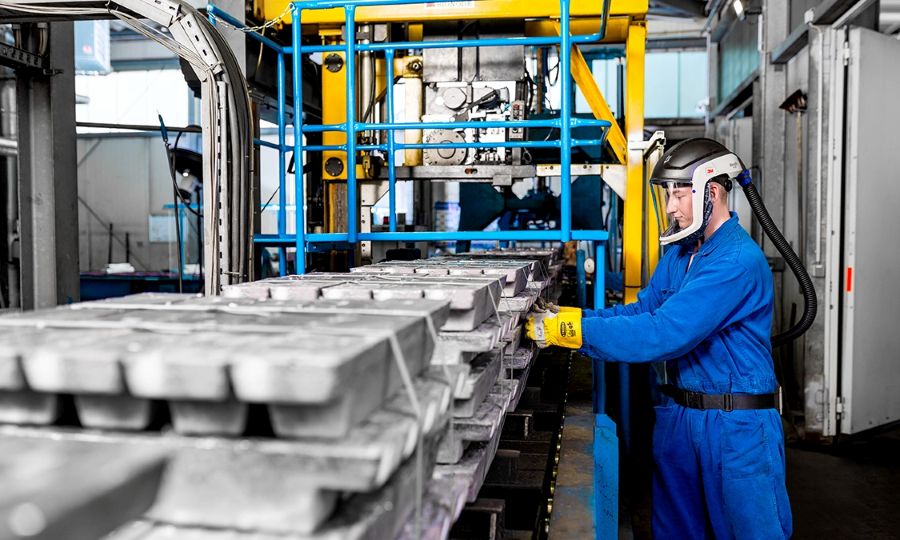
Lead: The expanded lead recycling capacity enables the closed-loop recovery of materials from end-of-life batteries on a much greater industrial scale.
-
Polypropylene (Plastic): One of the most crucial technological milestones of this acquisition is that it establishes Clarios’ very first in-house polypropylene recycling and compounding capability.
The company will reuse these recovered and purified materials directly in the production of new low-voltage batteries.
Compliance with Tightening European Union Regulations
This investment is driven by serious regulatory and market considerations. Establishing an in-house plastic compounding capacity, for example, perfectly aligns with the European Union’s tightening requirements, which will mandate a minimum percentage of recycled plastic content in automotive applications.
“This acquisition is a strategic step forward for Clarios in Europe,” stated Werner Benade, President at Clarios EMEA. “By expanding our recycling and material recovery capabilities, we are building a more resilient and sustainable supply chain that supports upcoming EU battery regulations and delivers real environmental benefits for customers and communities alike.”
Supply Security and Independence from Primary Raw Materials
With its expanded recycling network, Clarios is significantly advancing its fully integrated, closed-loop business model. The regional processing of secondary raw materials provides three critical strategic advantages in the global market:
-
Decreased Exposure: It minimizes the company’s reliance on primary, freshly mined raw materials.
-
Smaller Ecological Footprint: It radically lowers the environmental impact across the entire lifecycle of the batteries.
-
Regional Resilience: It strengthens the resilience of the European supply chain against global market disruptions and shortages.
As the ultimate result of this acquisition, Clarios is ensuring that millions of vehicles on European roads will be powered by batteries manufactured with responsibly sourced and regionally recycled materials.
Source and Reference:
-
Original Official Press Release: Clarios Expands Recycling Footprint in Europe with Acquisition of Ecobat Facilities
