




If you like our site, mark us as a preferred source on Google — so you’ll see our articles more often in search!
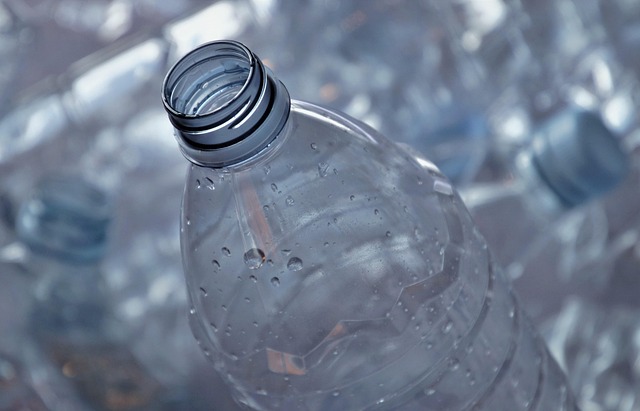
★Mark us as a preferred sourceThe government of Georgia has officially adopted a radical legislative package, introducing one of the world’s strictest regulations on the plastic packaging market. Under a comprehensive nationwide ban set to take full effect in early 2027, plastic bottles for mineral water, soft drinks, and alcoholic beverages will largely disappear from store shelves. While the Ministry of Environmental Protection and Agriculture justifies this unprecedented step with dramatic pollution statistics, local business associations warn of severe price increases and mass layoffs—prompting the Prime Minister to hint at a potential review of the legislation.
Georgia has made a historic decision regarding environmental protection and waste management. On March 12, 2026, the Georgian Ministry of Environmental Protection and Agriculture officially announced that the cabinet had adopted a resolution titled “On the ban on the production, import, and placing on the market of certain plastic products intended for contact with food.” This regulation fundamentally rewrites the entire beverage market in the Caucasian country, establishing strict frameworks that are currently unmatched by the European Union, the United States, or OECD member states.
A Phased Phase-Out and Strict Timeline
The government resolution outlines a drastic, two-step phase-out plan for the market, impacting everyone from manufacturers to the hospitality sector and retail:
-
July 1, 2026: The first phase goes into effect, making it strictly prohibited for catering facilities (restaurants, cafes, bars) to serve or hand over beverages in plastic bottles to consumers.
-
February 1, 2027: The complete, nationwide ban comes into force. From this date onward, the domestic distribution, import, and production of carbonated drinks, soft drinks, alcoholic beverages, and bottled water in plastic containers will become illegal. The only exception to the production ban applies to products specifically manufactured for export.
Statutory Exceptions and Ecological Justifications
The legislation leaves extremely narrow room to maneuver, permitting the continued use of plastic bottles in only three specific cases:
-
Drinking water packaged in bottles with a capacity of 3 liters or more.
-
Beverages sold in containers of 20 liters or more.
-
Drinking water produced and supplied for the official needs of the Georgian Ministry of Internal Affairs, the Defense Forces, and military personnel.
The Ministry justifies this drastic step by emphasizing the need to protect ecosystems, soil fertility, and biodiversity, noting that plastics take centuries to decompose in nature. The government’s argument relies on shocking domestic research data: official measurements show that approximately 88 percent of the waste found in Georgian rivers is plastic. Within this massive ecological burden, plastic bottles alone account for roughly 41 percent of the waste.
This situation is exacerbated by infrastructural underdevelopment. While the EU mandates that at least 25 percent of plastic bottles must be recycled by 2025, Georgia currently lacks a functional, nationwide recycling system for plastic, aluminum, or glass.
Industrial Shock: Threat of a 50 Percent Decline
While environmentally commendable, the measure has caused sheer panic within the Georgian economy. The domestic mineral water and soft drink industry relies almost entirely on plastic packaging, with the market share of glass and aluminum currently being marginal. Transitioning to alternative packaging materials requires astronomical investments, forecasting a drastic increase in production costs.
The measure particularly affects one of the country’s largest industry players, the Borjomi Group (manufacturer of the Borjomi, Likani, and Bakuriani brands). Because the Georgian state holds a 7.73 percent stake in the company, the ban will also have a direct impact on national economic revenues.
Although the newly adopted law is a scaled-down version of an earlier draft that would have also covered dairy products and sauces, the Georgian Business Association and local beverage manufacturers are protesting fiercely. According to their calculations, the regulation could result in up to a 50 percent decline in the beer and soft drink sectors, leading to mass layoffs and drastic price hikes in the consumer market.
In response to the unprecedented industry pressure and economic risks, the political leadership has been forced to react. Georgian Prime Minister Irakli Kobakhidze recently acknowledged the complexity of the situation. While highlighting the health and ecological risks of plastic use, he emphasized that economic considerations must be balanced with environmental measures. The Prime Minister’s statement left the door open, suggesting that the decision could be reviewed or its implementation postponed in the future to ensure economic stability.
Official Sources and References:
-
News Report: Georgia plans ban on most plastic beverage bottles from 2027 (Georgia Today, March 16, 2026)
-
Official Government Source: The Government Has Adopted a Resolution on the Gradual Ban of Certain Plastic Products Intended for Food Contact (Ministry of Environmental Protection and Agriculture of Georgia)
