




If you like our site, mark us as a preferred source on Google — so you’ll see our articles more often in search!
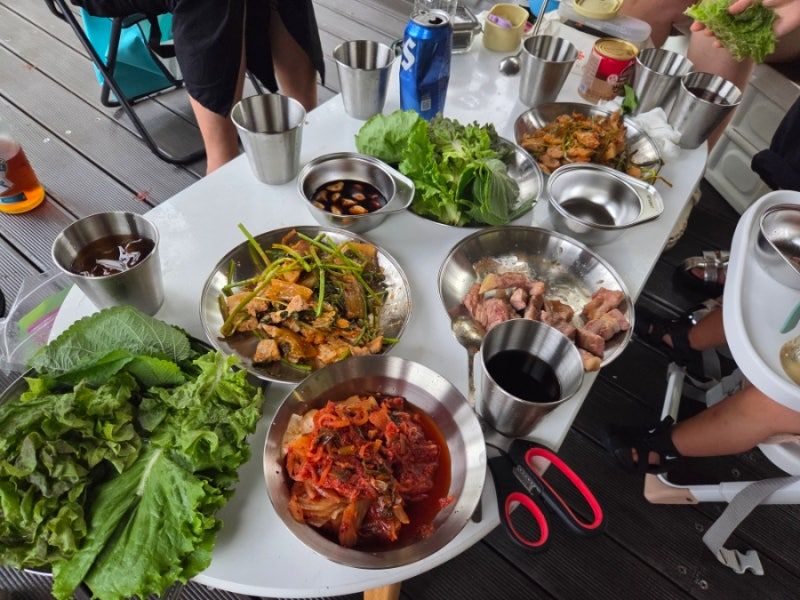
★Mark us as a preferred sourceTo replace single-use products, the districts of the South Korean capital have introduced innovative solutions. In Eunpyeong District, western Seoul, at the city-run Mount Aengbong Family Campground, visitors no longer need to bring disposable plastic or paper utensils. Thanks to an initiative launched by the district in July last year, campers can borrow stainless steel bowls, plates, cups, and utensils free of charge. After use, it is sufficient to rinse them once before returning them. The returned dishes are sent to a professional cleaning center, where they undergo commercial-grade washing and sterilization before being used again.
A similarly practical step was taken by Seongdong District in eastern Seoul, which launched an initiative last August in Seongsu-dong, one of Seoul’s busiest hotspots. The goal was to reduce disposable cup litter on the streets. Before the mobile collection bins were introduced, passersby discarded cups in large numbers on the street; now, the district collects roughly 3,000 to 4,000 cups per day on weekends through the system.
Measurable Reduction in Household Waste: Numbers and Facts
Policies aimed at reducing disposable products and increasing recycling in daily life are now spreading across Seoul. According to an announcement by the Seoul Metropolitan Government, the amount of household waste generated across the city during February and March this year fell by an average of 29 tons per day compared to the same period last year. Concurrently, the daily collection of recyclable waste increased by 60 tons.
The improvement is the result of a citywide, comprehensive campaign under which the Seoul Metropolitan Government evaluated all 25 district offices during February and March. The initiative was prompted by estimates showing that an average Seoul resident throws away the equivalent of about 48 10-liter garbage bags of household waste every year. The campaign encouraged residents to reduce this amount by at least one bag annually. The program surpassed its original targets, attracting a total of 109,838 participants. The evaluation focused on four main categories: reducing household waste, increasing recycling, public participation, and district-specific projects.
Innovative Collection Systems and Public Incentives
Several districts contributed to the success with unique solutions. For instance, Yeongdeungpo District in western Seoul introduced free collection for small home appliances, which were previously discarded in standard garbage bags. The program covers electronic products weighing less than 12 kilograms (26 pounds), such as microwave ovens and hair dryers. Residents can dispose of up to four small appliances through the district office’s website or local community centers. Households wishing to get rid of five or more appliances can request free home pickup services.
Meanwhile, Seongbuk District’s resource circulation program in eastern Seoul mobilized around 1,100 residents. In this system, residents can exchange their recyclables (such as used batteries and transparent plastic bottles) for pay-as-you-throw garbage bags.
Future Outlook and State Support
Based on the evaluation results, the city of Seoul plans to share successful cases with district offices in the future. In addition, they will provide a combined 1 billion won (approximately $6.84 million) in financial support for outstanding local projects. The city administration intends to gradually place greater emphasis on household waste reduction and recycling performance in future second-round and comprehensive evaluations.
“We will continue working to produce visible results by identifying effective waste reduction policies and improving related systems,” said Kwon Min, the head of the Climate and Environment division at the Seoul Metropolitan Government.
References:
-
Original Source: Korea JoongAng Daily – From reusables to recycling, Seoul gets serious on reducing waste
-
Official Government Publication: Seoul Metropolitan Government (global.seoul.go.kr) – Seoul Featured for Innovative Food Waste Solutions
