




If you like our site, mark us as a preferred source on Google — so you’ll see our articles more often in search!
★Mark us as a preferred sourceAs the driving force behind the circular economy for household packaging in Belgium, Fost Plus highlights in its report titled “We recycle more — and more locally,” published on June 9, 2026, that the country remains at the forefront of sustainable material management in Europe. By building a local recycling chain and actively involving citizens and industry, the organization strives for maximum efficiency.
Solid foundations and local objectives
In the more than a quarter-century since its founding in 1994, Fost Plus has established an efficient, national infrastructure in Belgium that enables citizens to sort waste correctly anytime and anywhere. The organization’s ISO 9001 quality management certification also guarantees that their processes comply with international standards. The strategy focuses on prevention, reuse, and increasingly on local recycling. The concept is simple: the more packaging materials are redesigned, repaired, or sustainably recycled in domestic and local markets, the more valuable raw materials remain within the economy.
Quantitative data: A 95 percent recycling rate
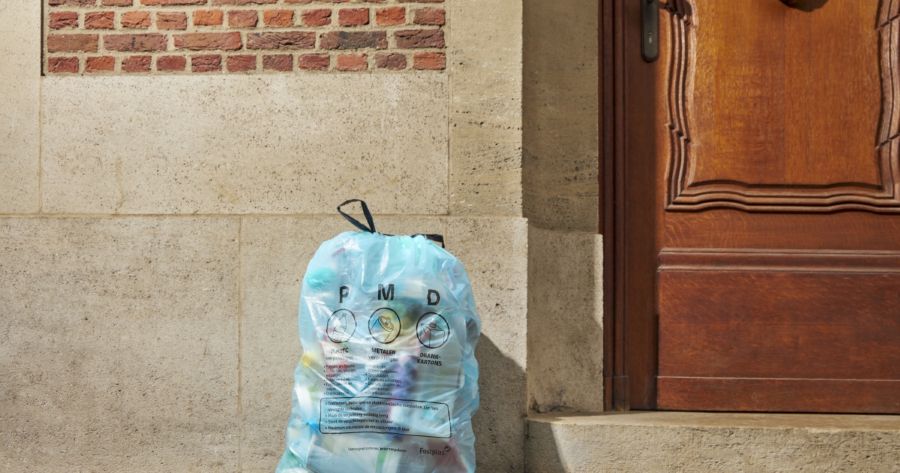
The success of the system’s operation is also supported by concrete data. Based on the most recent available statistics, Belgium has achieved a 95% recycling rate for household packaging waste. Expressed in concrete quantities, this means that more than 765,000 tonnes of packaging were successfully reintegrated into the circular economy within a single year (2022). This volume is thanks to the extensive collection network, which includes the iconic blue PMD bags (for plastic bottles, metal packaging, and drink cartons), an extensive network of glass collection containers, and municipal recycling yards.
Legal compliance and corporate commitments
More than 5,000 companies currently actively participate in the Belgian model, financing the processes by contributing to the so-called Green Dot system. The regulatory environment is strict: any company that puts 300 tonnes of single-use packaging on the market per year – or packages at least 100 tonnes of products in Belgium itself – is required to prepare a three-year prevention plan.
The system makes a precise and technical distinction between household and industrial packaging. For example, beverage packaging smaller than 20 liters or food packaging smaller than 1.2 kilograms (such as sauces or mayonnaise) automatically falls into the household category.
References:
-
Original article and source: Fost Plus: We recycle more and more locally
-
Related government/authority page: The Interregional Packaging Commission (IRPC) is responsible for verifying Belgian packaging data and ensuring compliance with regulations.
