




If you like our site, mark us as a preferred source on Google — so you’ll see our articles more often in search!
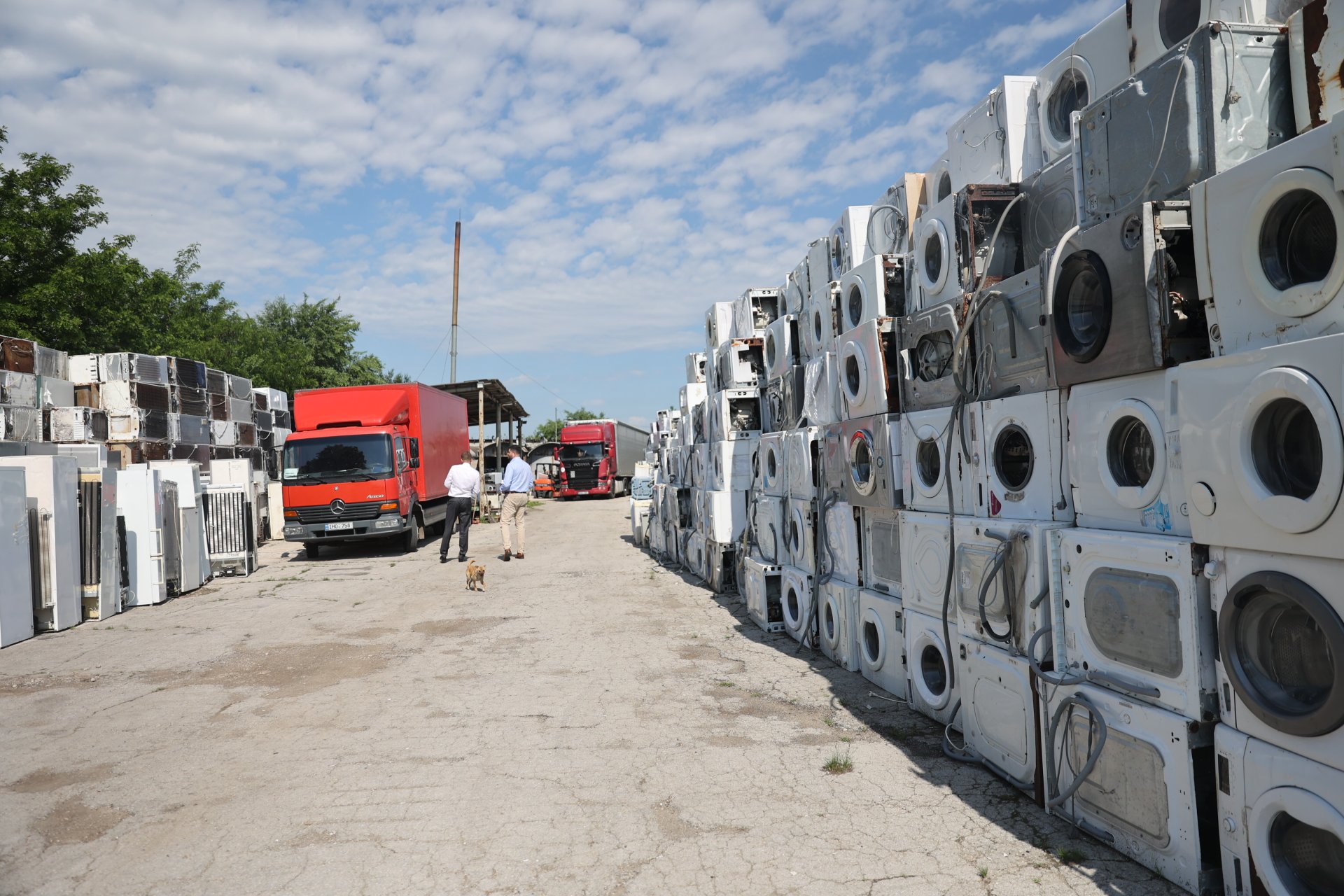
★Mark us as a preferred sourceThe EcoVoucher household appliance replacement programme generates a double benefit for Moldova: vulnerable families receive modern, energy-efficient equipment, while old, energy-intensive appliances are properly collected and recycled. According to the latest data, more than 300 tons of refrigerators and washing machines have been collected, through which citizens receive vouchers for purchasing new appliances.
The Collection and Recycling Process
The latest results of the programme were presented during an official visit by Energy Minister Dorin Junghietu to the warehouse of household appliances of the PRO REP association. The PRO REP association is a nationally authorized collective system for collecting waste electrical and electronic equipment and a partner of the EcoVoucher Programme.
Mihai Caranfil, the Director of the association, said that the collected equipment was exported to a company from Romania for recycling. “At present, we organize weekly shipments, with between two and four truck journeys carried out every week,” the director stated.
The PRO REP Association was created one year ago, with the participation of about 70 companies importing household appliances, and has already collected approximately 500 tons of electrical and electronic waste, which represents about 40 per cent of the target set for 2026.
Double Benefit: Lower Invoices and Circular Economy
Energy Minister Dorin Junghietu emphasized that the EcoVoucher Programme generates a double benefit for Moldova. On the one hand, it helps vulnerable families replace old, energy-intensive appliances with modern, energy-efficient equipment. On the other hand, the discarded appliances are properly collected and recycled and valuable materials are returned to the economic cycle.
“This way we reduce energy consumption, citizens’ invoices and the amount of waste that ends up in landfills,” the minister stated.
Programme Results and Energy Savings Metrics
The EcoVoucher Programme is implemented by the National Center for Sustainable Energy (CNED) with the support of Moldova’s government and development partners, aiming to reduce energy consumption in the residential sector and improve the population’s standard of living.
In the latest EcoVoucher Programme session, which ended on June 7 this year, almost 600 vouchers were used to purchase 337 washing machines and 255 new, energy-efficient refrigerators. In total, since the programme’s launch, more than 42,000 families of Moldova have benefited from funding of up to 70 per cent of the cost of new appliances.
According to CNED’s estimates, the more than 42,000 energy-efficient appliances purchased through the EcoVoucher Programme generate annual savings amounting to more million kilowatt-hours, contributing both to lower household invoices and to a cutting in national energy consumption.
Specialists estimate that replacing old refrigerators and washing machines with modern models significantly reduces electricity consumption. A refrigerator manufactured 15–20 years ago can consume two to three times more energy than a new model from higher energy classes. Similarly, modern washing machines use less energy and water for each washing cycle.
Reference link to the official government page of the programme:
Centrul Național pentru Energie Durabilă (CNED) – EcoVoucher
