




If you like our site, mark us as a preferred source on Google — so you’ll see our articles more often in search!
★Mark us as a preferred sourceAfter two months of operation, Portugal’s mandatory deposit-refund system (Sistema de Depósito e Reembolso – SDR), running under the brand name “Volta”, has reached a significant milestone. According to official data, the population has returned more than 10 million plastic, metal, and aluminum beverage containers so far. Although the system is currently only in its transitional phase, initial statistics clearly indicate a rapid change in consumer behavior and decisive steps toward national and European circular economy targets. Based on available official press releases and referenced media reports, this article provides a factual, quantitative analysis of the first sixty days of operation.
The Balance of the First Two Months: Symbolic Coincidences
The Portuguese deposit-refund system officially began its nationwide operations on April 10, 2026. The non-profit organization responsible for introducing and managing the system, SDR Portugal, published its first comprehensive balance sheet exactly two months later, on June 10. The choice of date and the communicated figures carried symbolic significance: on June 10 (which is also Portugal’s National Day), in a country of approximately 10 million inhabitants, the number of returned containers precisely crossed the 10 million threshold.
According to the audited official statistics, a total of 10,006,067 pieces of packaging were returned by consumers to the collection points during this short period. Leonardo Mathias, President of SDR Portugal, highlighted in the published official statement that this volume translates to an average of one returned container per Portuguese citizen. The organization assesses that this demonstrates a remarkably fast and massive initial adoption by the public, suggesting strong public trust in the system.
How Does “Volta” Work in Practice?
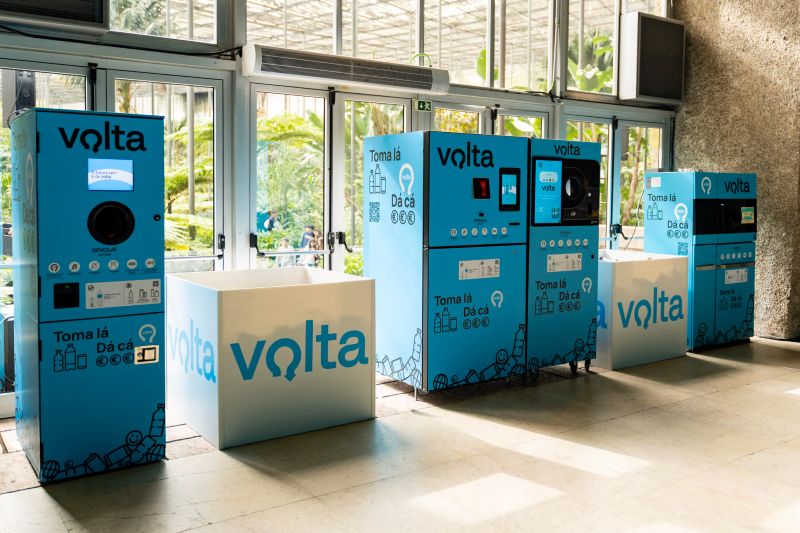
The operational framework of the “Volta” infrastructure follows the classic deposit-return model already well-established in Europe. When purchasing single-use (one-way) plastic, metal, and aluminum beverage containers under 3 liters in volume, consumers pay a fixed deposit fee of 10 cents (€0.10) at the checkout. This amount is fully refunded to the consumer as soon as the empty container is deposited at one of the designated return points.
The network’s coverage was substantial right from the launch: currently, more than 2,500 “Volta” return points are operational across continental Portugal, as well as in the autonomous regions of the Azores and Madeira. According to plans, this number will continue to grow in the coming months, soon exceeding 3,000 locations. In addition to traditional in-store reverse vending machines at supermarkets, the network includes 50 specialized “Volta” kiosks. These have been specifically deployed in high-traffic areas – primarily near the hotel, restaurant, and catering industry (HORECA sector), cafes, and restaurants – where the density of on-site beverage consumption is the highest.
Transitional Period: The Reality Behind the Numbers
When analyzing the ten-million figure, a critical parameter to consider is that the system is currently in a grace or transitional period. In practice, this means that until August 9, 2026, old products without a deposit and new products identified with the “Volta” logo and carrying a deposit will coexist side by side on retail shelves.
Since the new, deposit-bearing beverages are being introduced into retail distribution gradually to replace old stock, the actual market share of returnable packaging is still limited. Therefore, achieving a return volume of 10,006,067 units is considered particularly high, as this result was achieved within just sixty days from a relatively narrow base of available “Volta”-labeled packaging. According to entities associated with the SDR, this fact clearly indicates the operation of an efficient and properly stabilized national collection network.
Transformation of the Waste Management Market and European Targets
Until now, organizations such as Sociedade Ponto Verde, Novo Verde, or Electrão were responsible for managing packaging waste in the Portuguese market. Industry analyses suggest that the entry of SDR Portugal and the integration of a financial incentive-based return system represent a turning point in the relationship between the population and recycling.
For Portugal, the system is of critical importance to meet strict European Union standards: the country aims to achieve a 90 percent selective collection rate for beverage containers by 2029. For the first year of operation (by the end of 2026), SDR Portugal has set a realistic target of collecting 40 percent of the packaging placed on the market. Based on the statement by President Leonardo Mathias, the figures so far prove that behavioral change has begun, and the country is well on its way to joining the ranks of the most successful European deposit-refund systems (DRS) to boost the circular economy.
Official References:
-
Official press release from the operator: SDR Portugal – Cidadãos devolvem mais de 10 milhões de embalagens nos primeiros dois meses do Sistema de Depósito e Reembolso
-
Context source: Notícias ao Minuto (Article ID: 3003151)
