


If you like our site, mark us as a preferred source on Google — so you’ll see our articles more often in search!
★Mark us as a preferred sourceThe launch of the new Bayer mono-material PP blister marks a major step forward in simplifying healthcare packaging structures across Europe. Announced in Basel on September 23, 2026, Bayer has introduced a single-material polypropylene (mono-PP) blister pack in Germany for Talcid®, its antacid medication used to treat heartburn and acid-related symptoms. Replacing a conventional multi-material structure, the new polypropylene design is intended to facilitate recycling where appropriate collection, sorting, and recycling systems exist, having secured RecyClass Design for Recycling certification with the highest Recyclability Class A rating and a recyclable plastic content score of 98.86%.
In short: Bayer has rolled out a mono-material polypropylene (mono-PP) blister for its Talcid® antacid in Germany, following an initial market launch in Slovenia in late 2025. Germany represents the product’s largest regional market, accounting for roughly 75% of its European sales, and a phased expansion to 11 additional European markets is scheduled for 2026–2027. Developed in collaboration with Etimex Primary Packaging using PURELAY® PP technology, the blister achieved a RecyClass Class A rating and a 98.86% recyclable plastic content score while maintaining the exact product formulation, safety, and quality supplied from Bayer’s manufacturing site in Bitterfeld, Germany.
Market Scale in Germany and Phased Rollout Across 11 Additional European Countries
The introduction of the single-material packaging in Germany directly follows its initial rollout in Slovenia in late 2025. Selecting Germany as the next step carries substantial commercial weight: the country accounts for approximately 75% of Talcid’s European sales, making it the brand’s largest market in the region and a pivotal location for deploying the new packaging design. Looking ahead, Bayer has planned a phased rollout of the mono-PP blister across 11 additional European markets over the 2026–2027 period.
Tobias Boldt, Consumer Health Cluster Lead for Germany and Austria at Bayer, noted that Germany’s position as Talcid’s largest European market made it a natural progression for introducing the new blister format. He added that the rollout links the brand’s established German heritage with a packaging innovation slated to reach consumers across additional European countries. Manufacturing and supply operations for Talcid® remain anchored at Bayer’s production facility in Bitterfeld, Germany.
This transition occurs at a time when both consumers and regulatory bodies are placing heightened focus on packaging solutions that combine rigorous product protection with structures designed to better support recycling processes, closely reflecting broader regulatory and recycling developments in packaging across Europe. According to data from McKinsey’s 2025 global consumer packaging survey cited by Bayer, the ability to recycle packaging continues to rank among the sustainability attributes most valued by consumers worldwide.
Technical Assessment of the Bayer mono-material PP blister and RecyClass Certification
Traditional pharmaceutical and consumer health blister packs frequently combine multiple distinct materials, a structure that can complicate sorting and reprocessing within waste management streams. By contrast, the new Bayer mono-material PP blister is manufactured solely from polypropylene. This simplified, single-material configuration was engineered to meet the strict quality and product-protection standards required for consumer health products while improving compatibility with sorting and recycling workflows.
Under the RecyClass assessment methodology, the new packaging received official RecyClass Design for Recycling certification. In this evaluation, the blister achieved the highest Recyclability Class A rating alongside a verified recyclable plastic content score of 98.86%, reflecting the compatibility of the packaging design with established recycling processes.
Bayer’s announcement outlines clear parameters regarding the certification and real-world recycling conditions:
-
The certification applies specifically to the packaging design and its technical evaluation under RecyClass Design for Recycling criteria.
-
Utilizing a single material is intended to facilitate sorting and recycling processes in markets where suitable collection, sorting, and recycling systems are in place.
-
Actual recycling outcomes remain dependent on local waste management infrastructure and may vary from one market to another.
-
The modification applies exclusively to the packaging structure: Talcid’s medical formulation, indication, safety profile, product quality, and usage instructions remain completely unchanged.
Value Chain Collaboration and Bayer’s Broader Packaging Strategy
Creating the mono-PP blister required years of coordinated development across the packaging value chain, bringing together specialized material science, manufacturing capabilities, and Bayer’s internal regulatory, quality, and product-protection standards. A central partner in this effort was Etimex Primary Packaging. Martin Rank, Head of Sales & Marketing at Etimex Primary Packaging, explained that developing a mono-material blister for consumer health applications requires the raw material, manufacturing process, and product-protection requirements to operate in complete harmony. Through its collaboration with Bayer, the company transformed this technical challenge into a scalable PURELAY® PP mono-material blister solution for Talcid®.
Chris Padain, Vice President and Global Head of Design, Packaging, Product Experience & Sustainability at Bayer, stated that the promise of the mono-material polypropylene format lies in its ability to enhance compatibility with recycling processes where suitable systems exist, while continuing to deliver a reliable consumer experience. He emphasized that the blister’s push-through performance preserves intuitive everyday usability while simplifying the underlying packaging structure, representing a practical, scalable innovation capable of making a meaningful difference across the company’s product portfolio.
The Talcid® packaging launch builds directly on Bayer’s ongoing research into single-material blister formats. In 2024, the company introduced the healthcare sector’s first PVC-free polyethylene terephthalate (PET) one-material blister for its Aleve brand in the Netherlands. Although the Talcid® (PP) and Aleve (PET) blisters utilize different polymers, both initiatives apply the same core engineering principle: simplifying packaging structures without compromising usability or product protection. Across its wider Consumer Health portfolio, Bayer is working to improve packaging compatibility with recycling processes where infrastructure allows, expand reusable packaging formats, integrate recycled content where appropriate, and reduce unnecessary packaging materials.
Operating globally with core life science competencies in healthcare and nutrition under the mission “Health for all, Hunger for none,” the Bayer Group employed approximately 88,000 people in fiscal year 2025, generating sales of 45.6 billion euros and investing 5.8 billion euros in research and development (R&D).
FAQ – Frequently Asked Questions
What material is used in the new Talcid® blister pack and what certification did it receive?
The new blister is made entirely of polypropylene (a mono-material PP structure), replacing a conventional multi-material design. It received RecyClass Design for Recycling certification, earning the highest Recyclability Class A rating and a recyclable plastic content score of 98.86%.
In which countries has Bayer launched the mono-PP blister so far, and what are the expansion plans?
The mono-PP blister was initially launched in Slovenia in late 2025, followed by its rollout in Germany in September 2026, where roughly 75% of Talcid’s European sales take place. Bayer plans a phased rollout across 11 additional European markets during 2026–2027.
Does the packaging change affect Talcid’s medical formulation, manufacturing site, or usage instructions?
No. The change applies solely to the packaging. Talcid’s formulation, medical indication, safety profile, quality, and usage instructions remain completely unchanged, and the product continues to be manufactured and supplied from Bayer’s facility in Bitterfeld, Germany.
Which partner helped develop the blister, and has Bayer introduced similar packaging before?
The blister was developed across the packaging value chain in collaboration with Etimex Primary Packaging, utilizing its scalable PURELAY® PP mono-material technology. Previously, in 2024, Bayer launched the healthcare industry’s first PVC-free mono-material PET blister for Aleve in the Netherlands.
Source:
Bayer’s official global press release (Document ID: 2026-0162E; corporate website: bayer.com)
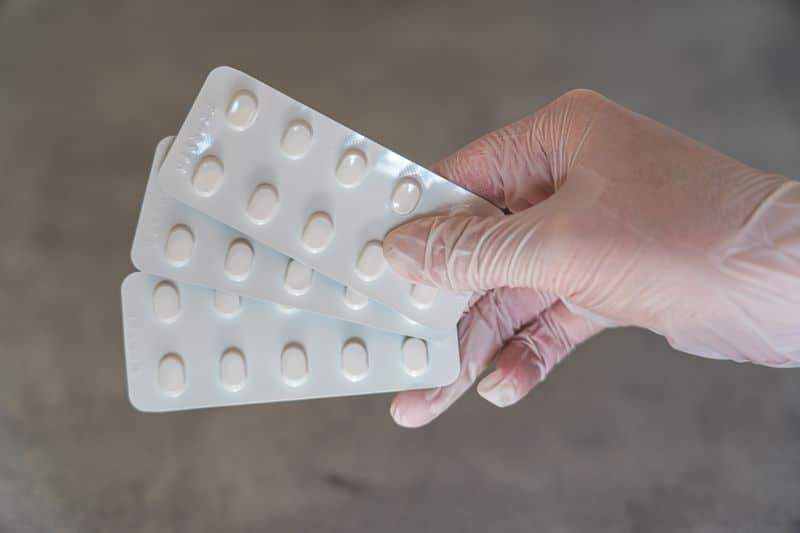
The image is for illustrative purposes only!


