


If you like our site, mark us as a preferred source on Google — so you’ll see our articles more often in search!
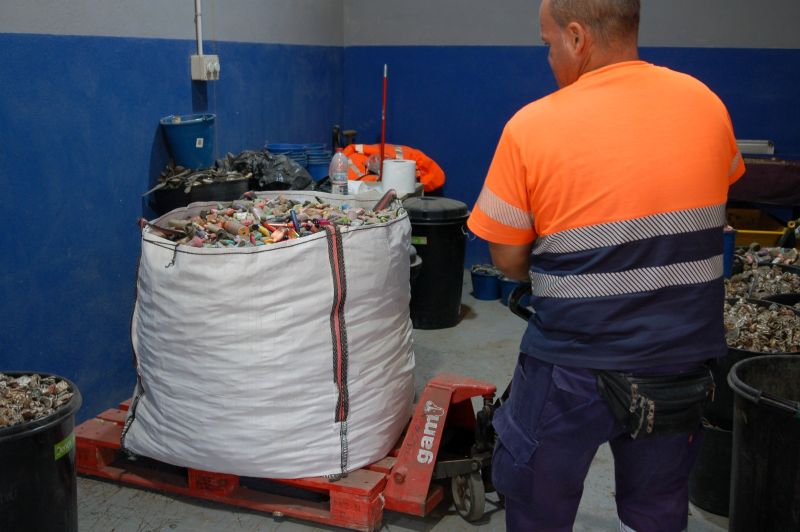
★Mark us as a preferred sourceAddressing one of the fastest-growing emerging waste streams in southern Spain, the Association of Municipalities of the Western Costa del Sol (Mancomunidad de Municipios de la Costa del Sol Occidental) has recovered more than 600 kilograms of electronic cigarettes and vaping devices over a six-month period in 2026. Operating through the Costa del Sol Environmental Complex managed by Urbaser, the vape collection campaign and specialized recovery initiative processes an average of 100 kilograms of devices per month, preventing lithium-battery fires in collection trucks and reclaiming valuable metals such as aluminum and cobalt.
In short: Since March 2026, the Association of Municipalities of the Western Costa del Sol (Mancomunidad de Municipios de la Costa del Sol Occidental) has operated a dedicated recovery and treatment line for e-cigarettes (“vapers”) at the Costa del Sol Environmental Complex, managed by Urbaser. According to official figures published on September 18, 2026, the facility has recovered over 600 kilograms of vaping devices in six months—averaging approximately 100 kilograms per month. Because these devices contain lithium batteries, metals, and plastics, they are classified as hazardous waste requiring manual handling and specialized treatment to prevent fires in waste collection trucks, curb chemical contamination, and recover aluminum and cobalt for the circular economy.
Quantitative Results: 600 Kilograms Recovered Since March 2026
The consumption of electronic cigarettes and vaping devices has surged in recent years, creating a major new environmental challenge for the municipalities of the Western Costa del Sol region—which comprises Benahavís, Benalmádena, Casares, Estepona, Fuengirola, Istán, Manilva, Marbella, Mijas, Ojén, and Torremolinos. According to the official announcement by the Mancomunidad de Municipios de la Costa del Sol Occidental (Spanish administrative release: Mancomunidad Portal Oficial) dated September 18, 2026, the public authority launched the targeted recovery and treatment of these electronic devices at the Costa del Sol Environmental Complex in March 2026.
Over the six-month operational period between March and September 2026, the Environmental Complex—operated by the waste management company Urbaser—recovered approximately 600 kilograms (reported in the official headline as more than 600 kilograms) of vaping devices. This volume translates to a steady monthly recovery rate of roughly 100 kilograms of e-cigarettes diverted from conventional municipal waste streams.
Félix Romero, President of the Mancomunidad, emphasized the importance of establishing this dedicated recovery line. He noted that local authorities are confronting a new generation of waste whose presence increases every single month, adding that while vaping devices may appear harmless on the surface, their internal composition turns them into hazardous waste.
Lithium Batteries, Truck Fires, and Chemical Contamination Risks
When discarded improperly, electronic cigarettes pose a direct threat to the environment and waste management infrastructure. The official report identifies three core components inside the devices that drive these risks:
-
lithium batteries,
-
metals, and
-
plastics.
Because of the embedded lithium batteries, vaping devices cannot be thrown into domestic waste bins or conventional recycling containers. Disposing of them in standard household bins creates a severe fire hazard during both municipal collection and facility-level waste processing.
In a direct appeal to residents, President Félix Romero urged citizens not to throw vaping devices into any conventional waste container, instructing them instead to bring used units to clean points (puntos limpios / civic amenity sites) or dedicated electronic waste containers. He stressed that this straightforward action prevents fires inside waste collection trucks and reduces the chemical contamination associated with discarded e-cigarettes.
Furthermore, Romero highlighted that the Costa del Sol Environmental Complex is making a substantial operational effort to integrate the recovery of these devices. Because vaping products cannot be processed through automated municipal lines alone, they require manual handling and specific treatment to ensure they do not end up damaging the local environment. Advancing safe lithium-ion battery recycling and proper electronic waste segregation is therefore essential for preventing both thermal hazards and toxic leaks.
Key Disposal Rules in the Vape Collection Campaign
To ensure safe handling across the region, the public authority underlined that many vape manufacturers, tobacconists (estancos), and specialized vape shops are equipped with specific collection containers for Waste Electrical and Electronic Equipment (WEEE / RAEE) and are legally obligated to ensure the recovery of these products.
As part of the vape collection campaign and public awareness effort, the Mancomunidad issued three specific guidelines for consumers on how to dispose of electronic cigarettes properly:
-
Never use household trash or yellow and grey containers: Vaping devices must never be thrown into domestic rubbish bins or into yellow (packaging) or grey (general waste) containers, as the lithium battery can ignite fires during waste collection or treatment operations.
-
Disposable vapes: Single-use vaping devices must be taken to municipal clean points (puntos limpios) or to specialized vape shops equipped with official WEEE (RAEE) collection containers.
-
Rechargeable vapes: For rechargeable devices, users must separate the battery, the cartridge, and other components, placing each part into its corresponding recycling container. In particular, the separated battery must always be deposited in a container specifically designated for lithium batteries.
Circular Economy: Reclaiming Aluminum and Cobalt from Emerging Waste
By establishing a dedicated treatment workflow for electronic cigarettes, the Costa del Sol Environmental Complex has positioned itself at the forefront of managing emerging waste streams. Beyond hazard mitigation, the initiative directly supports circular economy objectives.
Specifically, the recovery and specialized processing of vaping devices allow the facility to reclaim valuable metals such as aluminum and cobalt, while simultaneously preventing the release of hazardous pollutants that threaten both the natural environment and public health. Through this program, the Association of Municipalities of the Western Costa del Sol reaffirms its commitment to sustainability and waste treatment innovation, adapting regional environmental management to evolving consumer habits.
Frequently Asked Questions (FAQ)
How many kilograms of vapes were recovered in the Costa del Sol initiative?
Between March and September 2026 (the first six months of the program), the Costa del Sol Environmental Complex recovered more than 600 kilograms of vaping devices and electronic cigarettes, which equals approximately 100 kilograms per month.
Why is it dangerous to throw e-cigarettes into grey or yellow recycling bins?
Vaping devices contain lithium batteries, metals, and plastics. When thrown into domestic trash or yellow and grey containers, the lithium batteries can cause fires inside waste collection trucks or at treatment plants, and release hazardous chemical pollutants into the environment.
Where should consumers dispose of disposable and rechargeable vapes?
Disposable vapes must be taken to municipal clean points (puntos limpios), tobacconists, or specialized vape shops that provide WEEE (RAEE) containers. For rechargeable vapes, users must separate the battery, cartridge, and other components, ensuring the battery is always placed in a dedicated lithium battery container.
Which metals are recovered from recycled vaping devices at the complex?
The manual handling and specialized treatment carried out at the Urbaser-managed Costa del Sol Environmental Complex enable the recovery of valuable metals such as aluminum and cobalt while preventing hazardous pollutants from harming public health and the environment.


