If you like our site, mark us as a preferred source on Google — so you’ll see our articles more often in search!
★Mark us as a preferred sourceRio de Janeiro’s 2026 Carnival season is defined not just by its spectacle, but by a massive technological and community-led battle against waste. While the iconic Sambadrome hosts a nightly capacity of 90,000 spectators, the city altogether welcomed nearly 8 million participants across its street parties and parades this year. To manage the environmental impact, the “Sustenta Carnaval” project and BVRIO’s “KOLEKT” application have successfully diverted tons of costumes and recyclable materials from landfills, turning a 400-year pollution problem into a resource for the local economy.
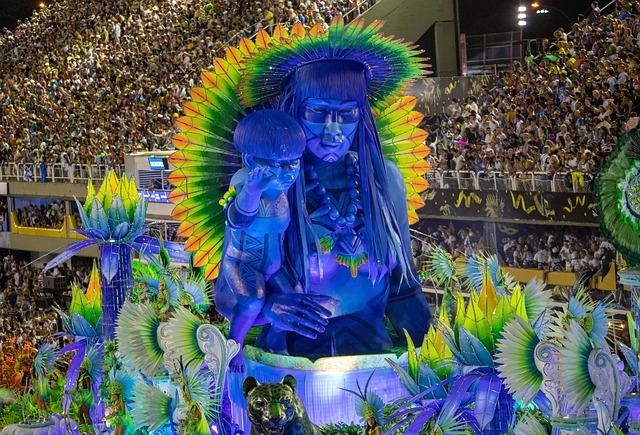
The heart of the Carnival, the 700-meter-long Sambadrome Marquês de Sapucaí, sees 90,000 people nightly watching the elite samba schools. However, the true environmental challenge lies in the “blocos” (street parties) across the city. Rio’s city hall estimated a “mega-operation” for a total of 8 million participants in 2026, a figure that traditionally resulted in unmanageable amounts of discarded materials.
Digital Tracking: 21.5 Metric Tons Logged in the Cloud
A key innovation of the 2026 season is the deployment of the KOLEKT app by BVRIO (BVRio Environmental Exchange). This digital tool allowed for the real-time tracking and validation of the work performed by waste picker cooperatives.
According to the latest data on the operation’s efficiency:
-
21.5 metric tons: The precise amount of recyclable waste successfully registered and tracked through the app during the Carnival period.
-
9 Cooperatives: A total of nine waste picker cooperatives participated in the digital pilot, supporting the livelihoods of over 300 waste collectors (catadores).
-
5,000-ton Goal: The project aims to collect and process over 5,000 tons of plastic waste in the Rio region by October 2026.
The report emphasizes that the data logged in KOLEKT is only part of the story, as discarded costumes often enter specialized upcycling streams rather than traditional recycling bins.
Sustenta Carnaval: New Life for Discarded Costumes
As reported by TriplePundit, the Sustenta Carnaval project focuses specifically on extending the lifespan of “fantasias” (Carnival costumes). Dancers often abandon heavy, intricate headpieces and capes at the Sambadrome exit, which previously ended up in trash compactors. Under this project:
-
Collection: Organized points at the stadium exits take in discarded garments immediately after the parades.
-
Upcycling Workshops: Workshops are organized where locals can participate in 15-minute sessions to pick through salvaged sequins, feathers, and fabrics to create new clothing.
-
Community Impact: Instead of being shredded, many costumes are donated to smaller samba schools and theater groups, significantly reducing their production costs.
Project coordinator Tavares highlighted that sustainability in Rio is now a necessity for survival, noting that the synthetic materials used in costumes can take up to 400 years to decompose in nature.
Strategic Decarbonization and Logistics
Beyond waste management, the city’s logistics have also undergone a “green” transformation. Comlurb (Rio’s municipal cleaning company) deployed a fleet of 100 biomethane-powered vehicles for the 2026 Carnival operations. This fleet ensures that the streets are cleaned rapidly after the parades while minimizing the event’s overall carbon footprint and air pollution.
The ultimate goal is to ensure that the world’s largest show is not only a cultural leader but also a pioneer in the circular economy, proving that the celebration of 8 million people can be managed with environmental integrity.
Official Sources and References:
-
Original News Source (TriplePundit): How Rio de Janeiro Locals Recycle Tons of Discarded Costumes After Carnival
-
BVRIO Data Report: 21.5 tonnes of waste tracked during Rio Carnival with KOLEKT
-
Rio City Hall Official Statement: Carnaval 2026: Mega-operation anticipates 8 million people