


If you like our site, mark us as a preferred source on Google — so you’ll see our articles more often in search!
★Mark us as a preferred sourceResearchers in Hawaii are tackling the plastic pollution crisis plaguing the region with a unique and innovative approach: recycling marine debris, including discarded fishing nets, into the asphalt used to pave the islands’ roads. While plastic paving initiatives already exist in U.S. states like Missouri and Texas, the Hawaiian project is the first in the world to specifically utilize marine debris. The program aims to provide a sustainable solution to the archipelago’s unique exposure to discarded fishing gear, tourist waste, and the Great Pacific Garbage Patch, which engulfs the island chain every few years.
The “Nets-to-Roads” Program and Quantitative Results So Far
The initiative is led by the Honolulu-based Center for Marine Debris Research (CMDR) at Hawaii Pacific University. According to chemist Jennifer Lynch, who heads the center, their Nets-to-Roads program processes trash collected from the ocean and local beaches. Marine biologist Mafalda de Freitas and her colleagues collect and sort the debris, specifically looking for durable materials made of polyethylene, such as milk jugs, yogurt containers, and fishing nets.
The quantifiable achievements of the project to date are significant:
-
So far, a total of 90 metric tons of plastic trash have been removed from the Pacific Ocean and Hawaii’s beaches.
-
Out of this amount, more than 1 metric ton of fishing nets alone have been paved directly into the Hawaiian road network.
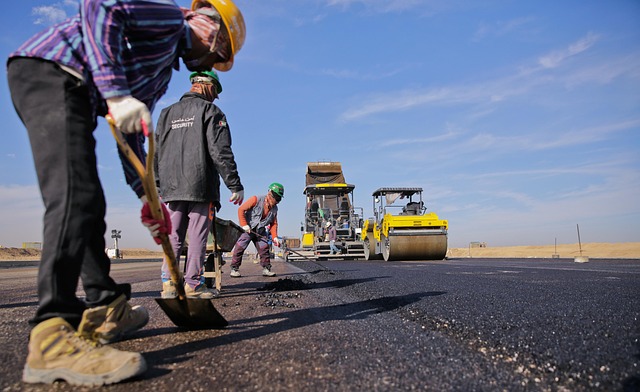
During the processing phase, the collected waste and nets are first shipped to the U.S. mainland, where they are shredded and ground. The resulting material is then returned to an asphalt production facility on the island of Oahu. Finally, the hot mix is laid down on a section of road in Ewa Beach, located on the southwestern side of the island.
Risks and Testing for Microplastic Leaching
One of the researchers’ primary concerns regarding the project was whether wear and tear on the road surface might shed microplastics or toxic additives into the environment. Jennifer Lynch emphasized that these chemicals can expose humans and animals to toxic plastic additives, leading to hormone disruption, chronic inflammation, and reproductive problems.
The first phase of the experiment began in 2022, during which three experimental pavement strips with different compositions were laid:
-
A traditional asphalt mixture enhanced with a rubber called styrene-butadiene-styrene (SBS) to add durability and flexibility.
-
A section where ground marine waste was mixed with the SBS rubber and asphalt.
-
A third strip containing only the waste and asphalt, without the SBS rubber.
Eleven months after the roads were paved, researchers collected samples to test for microplastic leaching. Jeremy Axworthy, a marine biologist and lab manager at CMDR, presented the results at the American Chemical Society meeting in Atlanta on March 22, 2026. The testing simulated stormwater by pouring multiply filtered and sanitized water onto the road and sweeping the roads to collect gravel dust to detect polymers. According to the results, there was no significant microplastic release compared to the control strip with no plastic mixed in, and the asphalt remained largely intact.
The 2024 Expanded Phase and Challenges of Industrial Scaling
Encouraged by the initial success, the research team launched the second phase of the program in 2024, laying down five experimental pavement strips:
-
Fishing nets + SBS rubber.
-
Consumer plastic trash + SBS rubber.
-
Traditional asphalt + SBS rubber (experimental control).
-
Fishing nets without rubber.
-
Consumer plastic waste without rubber.
In current tests, the team is utilizing an industrial solvent called dichlorobenzene to more accurately extract and quantify the plastic polymers from the mixed dust. These results are forthcoming.
Bill Buttlar, director of the Mizzou Asphalt Pavement and Innovation Lab at the University of Missouri in Columbia, praised the Hawaiian program but pointed out the state’s unique geographical challenges. Due to the local tropical climate, heavy rains, and volcanism, the underground faces volatility; constant shifting of the ground can cause road cracking. “The main challenge to scaling this is getting the recipe right with the asphalt because what works in Hawaii may be a little different than what works in the Midwest,” Buttlar noted.
References and Official Sources:
-
Original source (Science News): Hawaii is turning ocean plastic into roads to fight pollution (April 8, 2026)
Consistent structure, quick answers: every article is built so that both readers and AI search tools can find the key points easily. Our content is produced with the help of AI tools and reviewed by our editor.


