




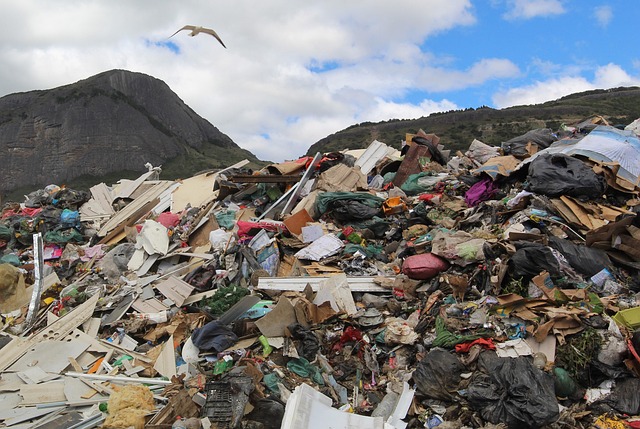
A catastrophic structural failure at a sanitary landfill in Rodriguez, Rizal province, has exposed the extreme daily hazards faced by informal waste workers in the Philippines. On February 20, a massive trash slide swallowed an unknown number of scavengers collecting recyclables. While government officials reported one confirmed fatality and two missing individuals, survivors and eyewitnesses estimate that over 50 people were trapped under the debris. The disaster has prompted immediate government intervention, highlighting severe operational lapses and the precarious living conditions of thousands who rely on recycling toxic waste to survive.
The collapse sheds light on the stark realities of the country’s solid waste management systems and the vulnerability of the urban poor. Following the tragedy, environmental authorities, lawmakers, and human rights advocates are demanding accountability and stricter enforcement of public safety regulations.
The Anatomy of the Disaster and the Disputed Death Toll
According to eyewitness accounts, the disaster unfolded on the afternoon of February 20. Initially, a small heap of garbage collapsed beneath the feet of the workers, followed moments later by the caving in of a much larger perimeter. In an instant, a massive crater of trash consumed the area. Initial reports indicate that approximately 420,000 cubic meters (14.8 million cubic feet) of solid waste eroded from the active dumping zone.
A stark contrast exists between the official casualty figures and the accounts of those on the ground:
-
Official figures (as of Feb. 22): 1 confirmed dead, 2 missing.
-
Eyewitness estimates: More than 50 people trapped under the slide.
A 27-year-old survivor named Lenny—who has worked as a scavenger for eight years and spoke under a pseudonym for fear of reprisal—reported that following the collapse, site management ordered the dumping of additional garbage and the bulldozing of surrounding debris to create a downward path. Eyewitnesses claim this maneuver ended up burying dozens more under the trash. More than 48 hours after the incident, Lenny was still searching for his missing cousin, noting a severe lack of formal rescue operations.
The Economics of Survival at the Dumpsite
The Rizal Provincial Sanitary Landfill, formally operated by Green Leap Solid Waste Management, Inc., spans 50 hectares (124 acres) and receives more than 3,000 metric tons of trash daily from Metro Manila and surrounding cities. The individuals sorting through this waste are not formally employed by the facility.
The daily reality for these workers is defined by severe economic hardship and physical risk:
-
Entrance Fees: Scavengers are charged a weekly fee of 50 pesos (about $1) by the private operator just for the right to enter the site and search for plastics and metals.
-
Income: Working in three daily shifts, a waste picker typically takes home between 400 and 500 pesos ($7–$10) for a full day’s labor.
-
Workforce: Approximately 3,000 scavengers work at the landfill, with hundreds of families living in adjacent slum communities.
-
Protection: Workers operate without proper safety gear, often wrapping simple T-shirts around their faces to block the stench and toxic dust.
Operational Lapses and Immediate Government Action
Following the catastrophe, the Department of Environment and Natural Resources (DENR) launched a rapid investigation. On February 23, the department identified critical “operational lapses” at the facility, including a foul odor emanating from exposed, uncovered waste and visible cracks along the landfill’s slopes that threatened further landslides.
Nilo Tamoria, the DENR regional director, stated that the government “will not tolerate negligence that puts the environment and public safety at risk.” Consequently, on February 24, the government issued a cease and desist order halting operations across a 6-hectare (15-acre) section of the site pending a thorough investigation.
Mark Delos Reyes, spokesperson for the private operator, International Solid Waste Integrated Management Specialist (ISWIMS), strongly denied allegations that additional waste was dumped immediately after the slide. He maintained that all equipment movement was strictly dedicated to 24/7 search and retrieval operations and affirmed the company’s full compliance with the government’s cordoning directives.
A History of Tragedies and Toxic Environments
This catastrophe has reignited anger among urban poor alliances and environmental groups. Mimi Doringo of Kadamay criticized the local municipality and management for the delayed rescue response. Meanwhile, Congresswoman Sarah Elago of the Gabriela Women’s Party filed a formal resolution on February 24 to investigate potential violations of occupational safety and waste management laws.
The Philippines has a grim history of similar disasters:
-
January 2026: A trash slide in Cebu city killed 36 people.
-
July 2000: The infamous Payatas tragedy in Metro Manila claimed the lives of more than 200 slum residents.
Following the Payatas disaster, the 2002 Ecological Solid Waste Management Law mandated the transition from open dumps to regulated sanitary landfills equipped with soil covers, gas control, and leachate treatment systems. However, experts like Dr. Julie Caguiat from the Institute of Occupational Health and Safety Development question the implementation of these standards. Studies show that landfills like Rodriguez expose nearby communities to airborne toxic chemicals such as lead and cadmium, as well as highly contaminated water runoff (leachate).
The human cost is devastating. Jeff, a survivor who has worked at the landfill for 14 years, reported digging his son out of the chemically treated waste. His son sustained severe chemical burns on his back and legs, but the family cannot afford hospital care. Jeff noted that he has witnessed six collapses over the years, but site managers routinely threaten workers with bans if they speak to the media. As Marian Ledesma of Greenpeace Philippines observed, the continuous reliance on post-generation waste management rather than waste prevention demonstrates a systemic failure to uphold the intent of the nation’s environmental laws.
Official Sources and References:
-
Original Report (Mongabay, March 2, 2026): Deadly landfill collapse exposes risks faced by Philippines’ waste pickers
-
Department of Environment and Natural Resources (DENR) – Philippines: denr.gov.ph