




If you like our site, mark us as a preferred source on Google — so you’ll see our articles more often in search!
★Mark us as a preferred sourceWith only four months remaining before Europe’s historic Packaging and Packaging Waste Regulation (PPWR) officially takes effect, a private letter signed by 138 companies has surfaced, urging European leaders to delay and weaken the legislation. According to a Greenpeace USA press release dated May 1, 2026, American multinational giants, including McDonald’s and Coca-Cola, are actively participating in this effort. Environmental advocates argue that these corporations are hiding behind claims of “legal uncertainty” and “European competitiveness” to block the 2030 phase-out of single-use plastics and the critical ban on toxic PFAS chemicals in food packaging.
A Coordinated Campaign by 138 Corporations
A recent report authored by Tanya Brooks from the Washington, D.C.-based Greenpeace USA exposes a massive, coordinated pressure campaign directed at European Union decision-makers. Lindsey Jurca, Greenpeace USA Senior Campaigner, characterized the 138-company letter as a “polluter’s wishlist” once the legal jargon is stripped away.
Alongside McDonald’s and Coca-Cola, the list of US-based global signatories explicitly includes Kraft Heinz, Mondelez, McCormick, Molson Coors, and the Ball Corporation. According to the environmental organization’s analysis, this represents a highly coordinated effort by American polluters to drag European environmental standards back down to the “lowest common denominator” they are accustomed to operating under in their domestic markets.
Targeting the PFAS Ban and Core Reuse Goals
The private corporate letter outlines specific, fundamental demands aimed at dismantling the core pillars of the PPWR directive. Based on Greenpeace’s report, the multinational corporations are pressuring EU leaders to alter three key measures:
-
Delaying the PFAS Ban: The companies are requesting a delay on the ban of PFAS chemicals in food packaging. Greenpeace strictly notes that these “forever chemicals” are definitively linked to cancer, immune system damage, and reproductive and developmental harm. The EU is taking action to keep these toxic substances out of food-contact materials, a move the lobby is actively trying to stall.
-
Dropping the 2030 Phase-Out: The lobbyists are demanding the abandonment of the scheduled 2030 phase-out of single-use plastics.
-
Killing Reuse Targets: The signatories are pushing to completely eliminate the reuse targets that form the very foundation of the regulation.
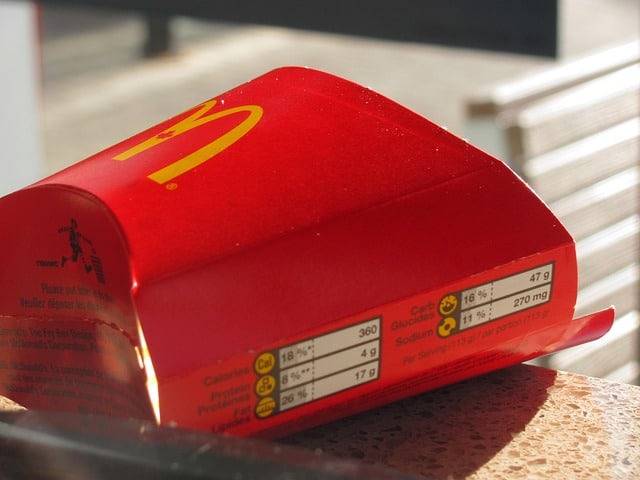
Highlighting the specific corporate responsibility of the fast-food and beverage giants, Jurca stated: “There is no version of corporate responsibility that includes lobbying to keep toxic chemicals in kids’ Happy Meals.”
The Quantitative Reality: Recycling vs. Reuse
The Greenpeace release points out that the signatories are drawing inspiration from the long-standing US “Big Plastic” playbook, promoting recycling as the ultimate solution—and claiming it is superior to reuse—despite clear industry statistics proving otherwise. The organization highlights the following quantitative data to counter the corporate narrative:
-
The EU Recycling Rate: According to the data, on average, less than 43 percent of all plastics in the European Union are actually recycled.
-
Coca-Cola’s Production Volume: Coca-Cola alone produces over 110 billion single-use plastic bottles every single year.
Greenpeace emphasizes that a massive portion of those 110 billion bottles will never reach a recycling facility. The organization asserts that it takes “special audacity” for a company to pollute on such a massive scale, watch its plastic bottles wash up on global shores, and then explicitly tell Europe that reuse systems “don’t work.”
August 12: A Critical Test for European Leaders
The Greenpeace USA report identifies August 12 as a crucial testing point. This date will reveal whether Europe will allow US-based polluters to dictate and influence its internal environmental regulations. The organization concludes that the world is watching closely; a future free from plastic pollution and toxic forever chemicals is possible, but it depends entirely on whether government leaders are brave enough to stand up to “corporate bullying.”
Reference and Official Source:
-
This article is based strictly on the official Greenpeace USA press release from May 1, 2026: McDonald’s and Coca-Cola Caught Trying to Gut Europe’s Landmark Plastics Law Months Before It Takes Effect
