


If you like our site, mark us as a preferred source on Google — so you’ll see our articles more often in search!
★Mark us as a preferred sourceThe mechanical recycling of plastics is a fundamental pillar of a sustainable future and the circular economy, but a critical point in the technological process is receiving increasing scientific and regulatory attention. The industrial wash water used during processing extracts massive amounts of microplastics and chemical pollutants from the waste, posing a severe ecological risk without proper purification and filtration. According to research and industry data, closer scrutiny of wash water management is essential to ensure that waste processing does not become a new, unnoticed source of water pollution.
In the mechanical recycling chain of plastic waste (such as PET bottles, PP, and LDPE packaging materials), the washing phase is an unavoidable technological step. Although the process saves waste from landfills and incinerators, the applied water-based technology leaves a specific ecological footprint that modern environmental regulations can no longer ignore.
The Massive Water Demand of Mechanical Recycling
To remove dirt, food residue, organic matter, adhesives, and paper labels, modern washing lines consume an exceptionally high volume of water. During the technological process, water is used not only for physical cleaning but also to separate plastics of different densities (such as sinking PET flakes and floating caps) in flotation tanks.
For effective cleaning, the water is often heated, and alkaline cleaning agents (detergents) or surfactants are added. An average, high-capacity industrial washing line can consume around 25 cubic meters (m³) of water per hour to achieve the desired level of cleanliness—especially for food-grade secondary raw materials. By the end of the process, this wash water becomes highly saturated with the very contaminants it was meant to remove.
Millions of Microplastics in Processing Wastewater
The largest and most invisible environmental challenge of the process is that physical friction during washing and grinding breaks the plastics down into tiny pieces. Based on scientific measurements, untreated recycling wash water contains an average of 5.97 million to 112 million microplastic (MP) particles per cubic meter.
A specific environmental analysis revealed that processing a single plastic coating with a density of 8 grams/square meter can generate more than 75,000 secondary microplastic particles, with an average size of merely 50 to 75 micrometers.
Filtration Gaps: A Risk of Hundreds of Tons Annually
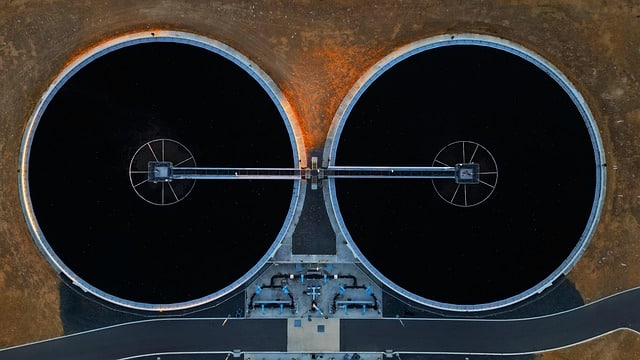
If the utilized wash water is not subjected to industrial-grade, closed-loop, and multi-stage purification (such as ultrafiltration), the pollutants can return directly to the sewage system or natural waters. Research highlights that traditional, simpler filtration systems are typically unable to capture particles smaller than 5 micrometers (μm), whereas filtration efficiency is considered high in the range above 40 μm.
The direct consequence of this technological gap is that, without modern additional filtration, a single large processing plant can emit 59 to 1184 tons of microplastics annually along with its wash water. Furthermore, the surface of the fine microplastic particles released into the environment tends to bind heavy metals and toxic compounds, thereby multiplying the stress placed on the local ecosystem.
Closed Systems and Growing Regulatory Attention
According to the scientific consensus and the increasingly firm stance of regulatory authorities, reducing the water footprint and pollution of plastic recycling is only possible through closed, recirculated water treatment solutions. The goal of more thorough regulatory scrutiny is to ensure that companies do not merely shift pollution from the realm of solid waste into aquatic ecosystems at a technological level, but that the process yields a true, net environmental benefit.
Official Source and Reference:
-
Original Press Release (Newswise): Wash water used when recycling plastics may warrant closer scrutiny


