


If you like our site, mark us as a preferred source on Google — so you’ll see our articles more often in search!
★Mark us as a preferred sourceThe future of the Seneca Meadows landfill in Seneca Falls is sparking increasingly intense environmental and social debates in New York State. The state’s largest garbage dump, which was originally scheduled to close permanently in 2025, is now awaiting state approval to significantly expand its footprint and extend its operations until 2040. Environmentalists and local residents are protesting the move, while the case highlights a much broader question: will New York continue to rely on gigantic landfills, or can it transition to a circular economy?
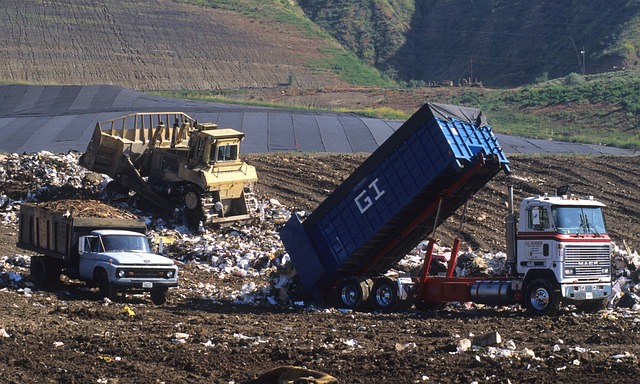
The size and capacity of the Seneca Meadows landfill are already on an industrial scale. The facility receives approximately 6,000 tons of trash every single day from 47 counties across New York State, as well as from other states and Canada. Approving the expansion request would cement this practice for decades to come.
Seven Stories Higher and 47 Acres Larger
According to the officially submitted proposal, if the permit is granted, the landfill would grow an additional seven stories in height and expand its footprint by 47 acres, making it an even more dominant feature in the surrounding landscape.
Yvonne Taylor, Vice President of the environmental organization Seneca Lake Guardian, strongly opposes the plans:
“It is a massive mountain of garbage right now. This proposal would make it bigger and taller and operational for another 15 years.”
Health Complaints: Odors and Concentration Issues in Schools
For those living in the municipality and surrounding areas, the operation of the landfill is not a distant environmental issue, but an immediate and continuous daily burden. Local residents have long complained about unbearably strong odors.
According to Taylor, schools located just a few miles from the landfill are forced to live with the pervasive stench, which is noticeable not only in the open schoolyards but also inside the classrooms. Families, teachers, and students alike regularly report:
-
Severe headaches
-
Nausea
-
Difficulties with learning and concentration
PFAS and Methane Emissions: Climate Goals at Risk
Beyond the localized odor impacts, the landfill carries severe regional environmental risks. Rainwater seeping through the garbage creates highly contaminated leachate. This toxic liquid frequently contains PFAS compounds—often referred to as “forever chemicals”—and other hazardous pollutants. Currently, millions of gallons of this leachate are trucked to New York wastewater treatment plants, even though these facilities are, in most cases, not technologically equipped to filter out these specific contaminants.
Methane emissions represent another critical issue. Methane is a highly potent greenhouse gas, and experts argue that giant landfills like Seneca Meadows directly undermine New York State’s official climate protection goals while perpetuating society’s dependence on unsustainable, disposable waste management systems.
The proposed expansion is currently under review by the New York State Department of Environmental Conservation (DEC) as part of the state environmental review process. During the processing of the application, the agency has already bounced the documents back multiple times to request further information. The final public comment period has not yet begun, but activists warn that the fight will truly escalate once it does.
Environmentalists emphasize that New York State already has an official solid waste management plan aimed at strengthening recycling, waste diversion, and the development of a circular economy. As Yvonne Taylor framed the issue: the debate over the landfill is ultimately about what kind of future New York wants to choose for itself.
Official Sources and References:
-
State Authority Website (NYS DEC): New York State Department of Environmental Conservation


