





If you like our site, mark us as a preferred source on Google — so you’ll see our articles more often in search!
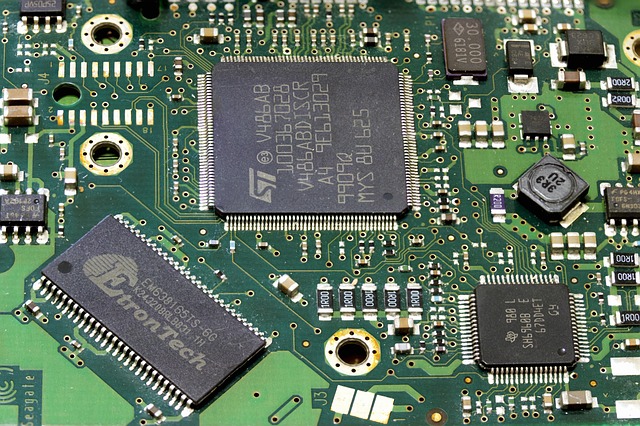
★Mark us as a preferred sourceThe drastic increase in electronic waste and global raw material shortages pose growing challenges to the technology sector. The British sustainable electronics innovator, in2tec, offers a systemic solution to this problem. Through a £1.5 million investment, the company has launched the world’s first fully circular recycling facility, focusing on the damage-free extraction and reuse of printed circuit board assembly (PCBA) components.
The Global E-Waste Crisis and the Design Paradox
The modern world relies on electronic devices, yet these devices are increasingly designed with disposability in mind. The current model of the electronics industry causes significant ecological damage, a fact clearly reflected in production and consumption statistics. Manufacturers often design embedded electronic components with a technical lifespan exceeding 20 years; however, in practice, these devices end up in the trash after an average of less than four years of use. The scale of the problem is highlighted by the staggering fact that globally, over a billion mobile phones and around 300 million laptops are produced annually. Meanwhile, our appetite for and consumption of modern technological devices continues to grow rapidly.
Furthermore, the resulting electronic waste is classified as hazardous because it contains highly toxic materials detrimental to health, such as lead, mercury, and dioxins. Traditional, low-quality recycling processes often fail to prevent these harmful substances from entering the environment, posing severe risks to both public health and the broader ecosystem. According to in2tec, meaningful change requires intervention much earlier, at the beginning of the lifecycle, rather than waiting for the waste management phase.
A New Technological Approach: The ReUSE® and ReCYCLE™ Systems
in2tec’s new technological approach directly counters this destructive practice. Their new facility, built with a £1.5 million investment, focuses not merely on extracting valuable raw materials, but on salvaging the expensive and rare components themselves. The technological foundation is provided by the company’s two proprietary, revolutionary innovations: ReUSE® and ReCYCLE™.
The ReCYCLE™ technology operates as an ultra-low energy “unzipping” mechanism for printed circuit board assemblies (PCBAs) manufactured using the ReUSE® process. The process utilizes a combination of unique, patented methods that permanently alter the chemistry of the materials, allowing PCBAs to be broken down to their original Bill of Materials. This enables components to be detached from the circuit boards in a stress-free, perfectly reusable condition. This damage-free extraction allows the components to be repaired, refurbished, and reused in a second lifecycle. Uniquely in the market, this versatile technology is compatible with virtually all common substrates, including FR4, aluminum (Al), polyethylene terephthalate (PET), polyimide (PI), and the latest biomaterials.
Economic and Supply Chain Security Benefits for Manufacturers
Closed-loop component recovery is not only revolutionary from an environmental standpoint but also offers significant business and supply chain security benefits for Original Equipment Manufacturers (OEMs). in2tec’s innovative system provides support in several key areas of the market:
-
Securing Internal Inventory: Companies can create an internal buffer stock from recovered, validated components, which can be immediately used for repairs, refurbishments, and fulfilling future manufacturing needs.
-
Reducing Lead Times and Volatility: Recovered components can substitute new procurements, allowing manufacturers to decouple themselves from the unpredictable lead times of the global market.
-
Protection Against Raw Material Price Fluctuations: The reuse strategy significantly reduces manufacturers’ exposure to the drastic price volatility of precious metals and rare materials embedded in electronic devices.
-
Mitigating Obsolescence and Waste Generation: Valuable components from end-of-life products or yield fallout can be saved from crushing and destruction.
-
Cost-Effective Product Development: Development costs are substantially reduced, as a single set of components is sufficient for PCBAs. During design iterations, expensive components can easily be recovered and transferred to new versions.
A New Industry Standard: Zero Waste and a Licensable Vision
With the launch of the new facility, in2tec has officially established the new global standard for closed-loop PCBA manufacturing, promising full component recovery and zero-waste potential. Emma Armstrong, in2tec’s Sustainable Electronics Ambassador, emphasized that large-scale component recovery requires a different approach right from the design and manufacturing phases. She highlighted that this is the world’s first true electronics recycling facility built specifically for salvaging and reusing components.
Armstrong added that this innovation is not at all about slowing down progress. Their goal is to ensure that technological advancement and innovation do not come at the cost of destroying our planet or compromising long-term supply security.
The facility, built with a £1.5 million investment, is not solely aimed at serving the company’s own clients. The production and recovery lines can be viewed live and demonstrated to OEM and Contract Electronics Manufacturing (CEM) partners who wish to implement this system in their own factories under a licensing agreement.
Referenced Sources:
[1] https://in2tec.com/company/insights/in2tec-recycle-facility-launched
