




If you like our site, mark us as a preferred source on Google — so you’ll see our articles more often in search!
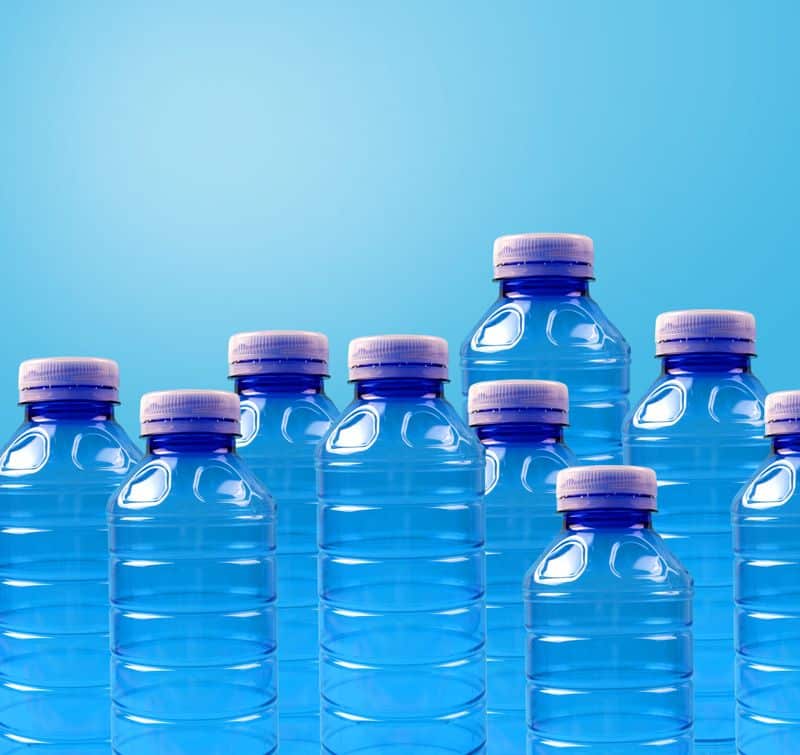
★Mark us as a preferred sourceThe European Commission has adopted new rules on the recycling of single-use plastic beverage bottles made primarily of polyethylene terephthalate (PET). As part of the December 2025 plastics package, the measure establishes, for the first time, a methodology to calculate, verify, and report chemically recycled content. The aim is to create transparency, increase investment security, and support Member States in achieving the targets set under the Single-Use Plastics Directive.
The Purpose of the Regulation and Methodological Innovations
According to the Commission’s official communication, the new rules will ensure transparency in calculating recycled content in new single-use PET bottles. This step is essential for creating a level playing field and guaranteeing investment security for the European plastic recycling sector. The methodology can be applied to any recycling technology, including both mechanical and chemical processes.
Mechanical and Chemical Recycling: Complementary Technologies
Currently, mechanical recycling is the most widely used method for processing plastics, which typically involves sorting, cleaning, shredding, and remolding the waste into new products. However, certain plastic waste streams—such as those containing food residues, additives, or mixed materials—cannot be effectively recycled mechanically, as these reduce recyclability.
In these cases, chemical recycling complements mechanical processes. The chemical method breaks down plastics into smaller molecules, which can be reused as feedstock for producing new plastics or other chemicals. This technology helps return more plastic waste streams to the circular economy, particularly for products that must meet strict, high-quality standards (such as food-contact packaging).
Geographical Restrictions and Quantitative Metrics for Counting
The Commission has determined the rules for counting recycled content towards EU targets based on credible, traceable, and environmentally sound standards. The implementation will take place in multiple phases, with specific temporal and territorial limits:
-
Phase One: Only recycled plastic material from the European Union and European Economic Area (EEA) countries will count, where compliance with EU environmental rules can be fully verified.
-
From November 21, 2027: Recycled plastic from OECD countries will also become eligible, unless explicitly excluded by the Waste Shipment Regulation.
-
Non-OECD Countries: Materials from these countries will only be counted if they are covered by agreements guaranteeing equivalent standards regarding human health and environmental protection to those in EU regulations (e.g., in the Waste Framework Directive and the Packaging and Packaging Waste Regulation).
Industry Perspectives and Entry into Force
In her statement, Jessika Roswall, Commissioner for Environment, Water Resilience and a Competitive Circular Economy, emphasized that Europe’s plastic recycling sector faces mounting pressures. Clearer rules provide the industry with the certainty needed for investments and innovation. This is a concrete step to support the sector, complement mechanical processing, and advance innovative technologies, thereby strengthening Europe’s competitiveness.
Member States’ representatives already voted positively on the proposal at the February 2026 meeting of the Waste Technical Adaptation Committee. The implementing act, which was also notified to the World Trade Organization (WTO), will soon be published in the Official Journal of the European Union and will officially enter into force on the 20th day following its publication.
References and Sources:
-
Primary Official Source (European Commission Press Release): Commission clarifies rules on plastic bottles recycling (IP/26/1467)
