
'/%3E%3C/svg%3E)



If you like our site, mark us as a preferred source on Google — so you’ll see our articles more often in search!
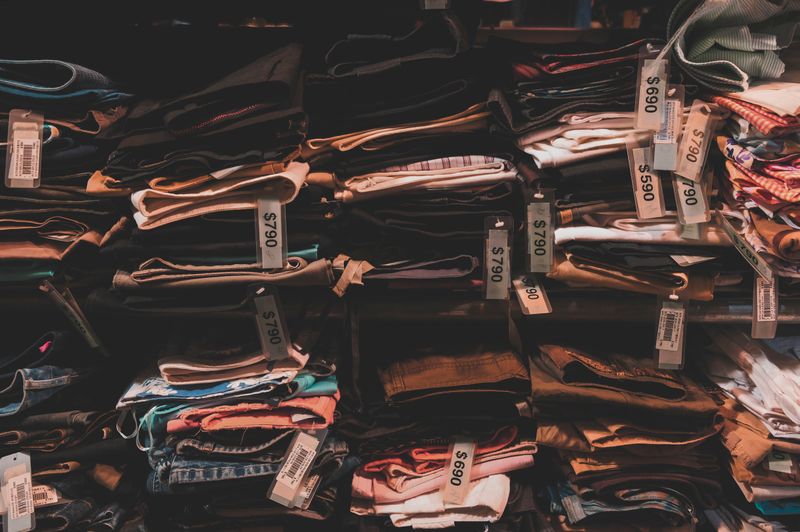
★Mark us as a preferred sourceAs of July 19, 2026, large companies across the European Union are prohibited from destroying unsold clothes, clothing accessories, and footwear. The new EU regulation aims to halt waste, reduce environmental impact, and accelerate the transition to a circular economy. The decision is driven by staggering industry data regarding discarded goods.
Staggering Data: Hundreds of Thousands of Tonnes of Textiles Destroyed Annually
According to the European Environment Agency (EEA), an estimated 4-9% of all textile products put on the market in Europe are destroyed before ever being used. In terms of volume, this amounts to between 264,000 and 594,000 tonnes of textiles destroyed each year.
When new, usable goods are discarded, the raw materials, water, energy, and labor invested in their production are entirely lost, while their disposal generates avoidable greenhouse gas emissions. The primary goal of the new measure is to prevent the waste of these valuable products and the resources used to make them.
Who is Affected and What is Expected of Companies?
The ban entered into application on July 19, 2026, for large companies. For medium-sized companies, the same rules will become mandatory starting in 2030, while small and micro-businesses are exempt from these requirements to prevent undue administrative and operational burdens.
Under the new rules, businesses must prioritize keeping products in use. They can achieve this through the following channels:
-
Selling: Offering items through discounts or on alternative markets.
-
Donating: Handing goods over to charities or social enterprises.
-
Preparing for reuse: Repairing, refurbishing, or remanufacturing the products.
These steps support the transition to a more circular and competitive European economy by encouraging resource-efficient business practices.
Exemptions: When is Unsold Clothes Destruction Permitted?
The destruction of unsold textiles and shoes will only be allowed under limited, strictly specified circumstances. When destruction is unavoidable, it must be carried out in accordance with the waste treatment hierarchy, which gives priority to recycling.
Destruction is permitted in cases such as:
-
When items are unsafe.
-
When goods are damaged.
-
When they are counterfeit or infringe upon intellectual property rights.
-
When charities or donation schemes reject the items.
To prevent kiskapuk (loopholes) and misuse, businesses relying on these exemptions must provide solid proof, such as documents or laboratory test results. Furthermore, they are required to publish annual reports detailing exactly what they have discarded.
Enforcement, Fines, and Reducing Red Tape
National authorities are responsible for checking compliance and have the power to impose fines for violations. To facilitate inspections, companies must keep relevant records for five years.
To reduce paperwork, businesses will use existing customs and logistics codes when reporting. The European Commission developed these rules after wide consultation with businesses, NGOs, and experts to ensure the system works in practice without creating unnecessary administrative red tape.
The Background of the Ecodesign for Sustainable Products Regulation (ESPR)
This restriction was introduced under the Ecodesign for Sustainable Products Regulation (ESPR), which came into force in 2024. The ESPR sets comprehensive EU-wide rules to make products sold on the continent more durable, repairable, recyclable, and resource-efficient.
The ban on destroying unsold textiles is one of the first concrete measures implemented under the ESPR. Textiles are the first product group subject to this strict regulation due to the negative environmental impacts of current business models, which frequently lead to the unnecessary destruction of unsold goods.
Reference to the official EU source:
Official press release by the European Commission, Directorate-General for Environment: Ban on destruction of unsold clothes and shoes enters into application
Consistent structure, quick answers: every article is built so that both readers and AI search tools can find the key points easily. Our content is produced with the help of AI tools and reviewed by our editor.
