




If you like our site, mark us as a preferred source on Google — so you’ll see our articles more often in search!
★Mark us as a preferred sourceA new policy brief by Greenpeace Turkey highlights an alarming increase in plastic waste exports from the European Union. Although Turkey positions itself as a champion of the “Zero Waste” (Sıfır Atık) program on the international stage, data published on June 3, 2026, reveals that the country has become the largest dumping ground for EU plastic waste. The report urges concrete climate policy actions and an immediate import ban ahead of the upcoming COP31 climate summit.
Shocking Quantitative Data: A 19 Percent Increase and 503 Thousand Tons of Waste
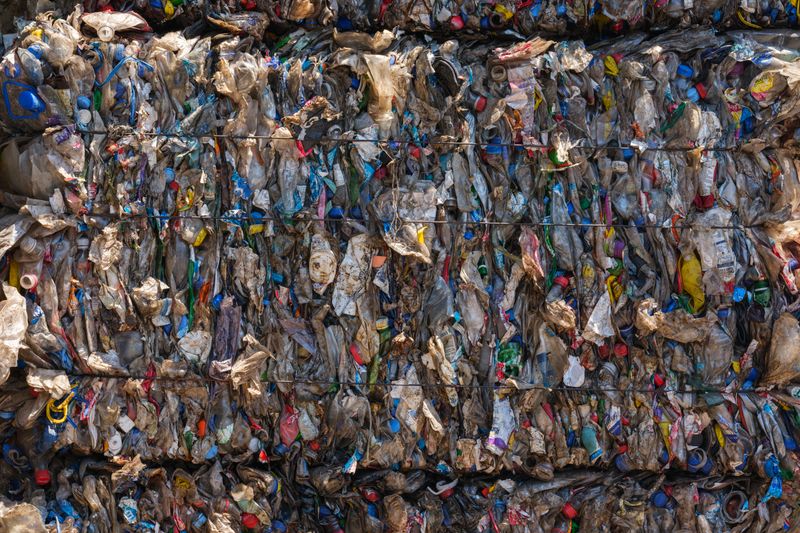
The primary and most alarming finding of the policy brief (bilgi notu) published by Greenpeace is the drastic surge in waste imports. According to statistics, plastic waste exports from the European Union to Turkey showed a 19 percent increase in 2025 compared to the previous period, reaching an all-time historical record of 503,000 tons.
The report points out the duality of the situation: while Turkey is committed to sustainability, in reality, it has emerged as the open and by far the largest buyer of the continent’s waste. According to experts, this massive volume of imported plastic physically hinders the establishment of a truly functional, domestic zero-waste system.
The COP31 Climate Summit and the “Real Zero Waste” Campaign
The timing is critical, as Turkey is set to host the COP31 climate summit in November 2026. According to national plans, the country intends to place the topic of “Zero Waste” at the center of the summit’s action agenda.
According to Greenpeace’s assessment, COP31 represents a historic opportunity and a turning point for Turkey. In order for the country to assume a genuine leadership role and move beyond mere narrative, the environmental organization has launched its “Real Zero Waste” (Gerçek Sıfır Atık) campaign. The organization states that the true goal can only be achieved through an immediate ban on the import of plastic and textile waste, as well as by limiting production at the source.
Policy Demands and the Global Plastics Treaty
The press release demands three decisive policy and diplomatic steps from Turkish decision-makers:
-
Binding reduction: Binding targets for reducing plastic production at the source must be immediately integrated into national climate change action plans.
-
Strict diplomatic action: In the ongoing negotiations for the UN Global Plastics Treaty (BM Küresel Plastik Anlaşması), Turkey must adopt a proactive stance demanding strict limits on plastic production. (This treaty is a legally binding international negotiation process initiated by the UN Environment Assembly to globally eliminate plastic pollution, running parallel to the preparations for COP31).
-
Immediate ban: Halting the international waste trade at the borders.
References and Further Information:
-
Original source (Greenpeace Turkey): Greenpeace Türkiye’den yeni politika bilgi notu
-
Government-related website: The official portal of the Turkish government’s “Sıfır Atık” (Zero Waste) project, detailing the national efforts referenced in the article: https://sifiratik.gov.tr/
