




If you like our site, mark us as a preferred source on Google — so you’ll see our articles more often in search!
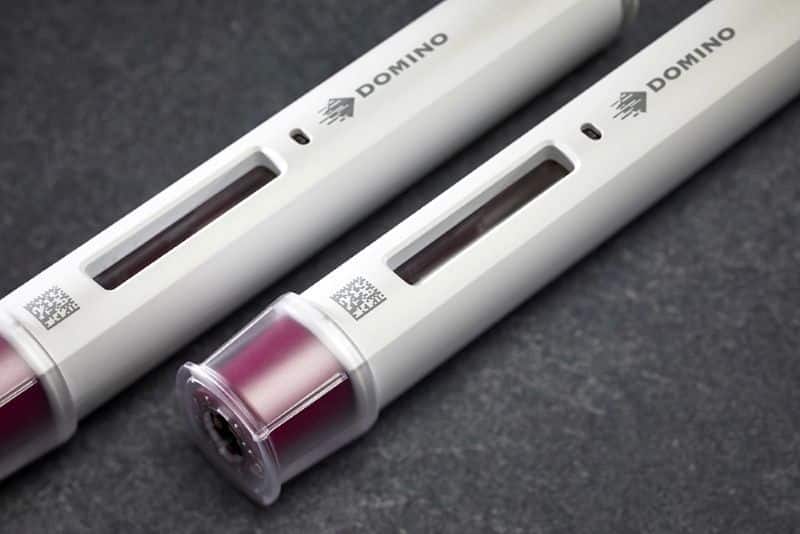
★Mark us as a preferred sourceFrom 2027 onwards, numerous product categories sold within the European Union will be required to feature a Digital Product Passport (DPP) to enhance value chain transparency and promote sustainable practices. Although the pharmaceutical sector is exempt from this mandate, the technological foundations of a pharmaceutical digital product passport are already present on billions of medicine packs via GS1 DataMatrix codes. According to an analysis by James Cutforth, Global Head of Regulated Sectors at Domino Printing Sciences, extending these existing data structures offers major opportunities to reduce healthcare waste, prevent waterway pollution, and support medicine reuse initiatives.
In short:
-
Regulatory Context: The EU Ecodesign for Sustainable Products Regulation (ESPR), which entered into force in 2024, mandates the Digital Product Passport (DPP) from 2027 for selected product groups, but excludes pharmaceuticals due to strict existing traceability laws (EU FMD and US DSCSA).
-
Environmental and Waste Figures: According to the World Health Organization (WHO), 85% of waste generated by healthcare activities is general, non-hazardous waste, yet a large proportion still ends up in landfill. In the UK alone, the NHS uses an estimated 150 million blister packs annually, while 40% of people admit to disposing of unused prescription medicines in general household waste.
-
Technological Potential: By building on existing 2D DataMatrix codes—supported by a collaboration between GS1 and Google enabling smartphone scanning via Google Lens—manufacturers can provide electronic patient information leaflets (ePILs), direct consumers to blister pack recycling points, and support compound recovery in Germany and medicine redistribution in Greece.
Existing Data Foundations of the Pharmaceutical Digital Product Passport
In 2024, the European Union’s Ecodesign for Sustainable Products Regulation (ESPR) entered into force, establishing the framework for the Digital Product Passport (DPP) to take effect across selected product categories from 2027 onwards. As previously detailed on our portal when the Digital Product Passport Registry went live in the European Union, the regulation requires comprehensive, standardized data regarding a product’s origin, material composition, environmental impact, and disposal recommendations to support informed decision-making across value chains.
As outlined in the industry analysis by James Cutforth at Domino Printing Sciences, the pharmaceutical industry is excluded from the ESPR’s DPP requirements. The primary reason for this exemption is that pharmaceutical manufacturers operating in the EU and the United States are already governed by rigorous transparency, serialization, and track-and-trace legislation—specifically the EU’s Falsified Medicines Directive (FMD) and the US Drug Supply Chain Security Act (DSCSA). To comply with these mandates, manufacturers already print 2D GS1 DataMatrix codes on medicine packaging.
While current pharmaceutical packaging carries much of the underlying data that a pharmaceutical digital product passport would require, there are fundamental structural differences between existing pharma data and consumer-facing DPPs:
-
Regulator-Focused Design: Pharmaceutical product data is engineered for regulatory authorities and supply chain verification rather than patient communication.
-
Prescription-Based Distribution: Because prescription medicines are assigned by healthcare professionals rather than selected off retail shelves by consumers, there is no need for pre-purchase product comparison metrics.
-
Specialized Disposal Streams: Unlike general consumer goods covered by the DPP, many pharmaceutical products and their immediate packaging cannot be processed through standard municipal kerbside collection or public recycling centers.
Despite the regulatory exemption, building upon the existing GS1 DataMatrix framework to create a DPP-style information channel offers substantial benefits. Currently, the GS1 DataMatrix codes printed on medicine packs are not formatted according to the GS1 Digital Link standard, meaning standard smartphone cameras cannot automatically scan them to trigger consumer-facing web content. However, a collaborative initiative between GS1 and Google aims to allow consumers to scan pharmaceutical packaging directly using Google Lens. As GS1 continues working with manufacturers to broaden pharma-to-consumer connectivity, the technical groundwork is already in place to improve public understanding of medication management and disposal.
Transforming Pharmaceutical Waste and Recycling: Key Quantitative Data
Expanding digital communication on medicine packaging could play a decisive role in mitigating the environmental footprint of healthcare products. The scale of the waste challenge is highlighted by several key figures cited in the report:
-
85% Non-Hazardous Healthcare Waste: According to data from the World Health Organization (WHO), 85% of the waste generated by healthcare activities consists of general, non-hazardous material; nevertheless, a vast amount of this waste continues to be sent to landfill.
-
150 Million Blister Packs Annually: Balancing strict medication protection with packaging recyclability remains a major hurdle. In the United Kingdom, the National Health Service (NHS) alone uses an estimated 150 million blister packs every year, illustrating the immense volume of composite packaging waste generated by the sector.
-
40% Improper Medication Disposal: Global pharmaceutical consumption continues to rise year on year despite ongoing healthcare initiatives to curb over-prescribing. Beyond the carbon dioxide (CO2) emissions generated by unnecessary drug manufacturing and logistics, the improper disposal of dispensed but unused prescription medication poses a severe environmental threat. In the UK, 40% of people admit to throwing unused prescription medicines into general household rubbish. Alongside other unsafe practices—such as flushing unused pharmaceuticals down the toilet—this directly contributes to chemical pollution across waterways, coastlines, and broader ecosystems.
Consumer lack of awareness is a primary driver of improper disposal that DPP-equivalent 2D codes could directly address. By scanning an on-pack 2D code, patients could access clear guidance on the environmental hazards of pharmaceutical waste, instructions on how to safely return unwanted medication, and location links to the nearest specialized blister pack recycling point. Providing accessible recycling and disposal instructions directly via product packaging can simultaneously protect aquatic ecosystems, cut unnecessary CO2 emissions, and strengthen consumer trust.
Regulatory Hurdles and Direct-to-Consumer Advertising Restrictions
For pharmaceutical manufacturers evaluating consumer-accessible 2D codes, strict legal boundaries must be navigated. Outside of the United States and New Zealand, most jurisdictions—including the European Union—enforce strict prohibitions against direct-to-consumer (DTC) advertising for prescription pharmaceuticals. Consequently, any patient-facing content linked to a DPP-style code must undergo rigorous compliance review to ensure it cannot be interpreted as promotional material.
Furthermore, both pharmaceutical companies and medical practitioners share concerns regarding patients reading complex clinical documentation out of context. Because statutory product data is written for clinicians and regulatory bodies rather than laypeople, exposing such data directly to patients could breach EU non-direct-to-consumer advertising regulations, which explicitly warn against the risk of “erroneous self-diagnosis.”
Electronic Leaflets (ePILs), Prescription Management, and Medicine Reuse
When designed within regulatory guardrails, enhanced digital transparency offers practical pathways to reduce material waste and improve healthcare equity:
-
Electronic Patient Information Leaflets (ePILs): Delivering statutory patient guidance digitally via 2D codes promises to drastically cut the volume of printed paper leaflets required inside medicine cartons.
-
Preventing Over-Ordering: Providing up-to-date digital guidance can assist patients in managing their prescriptions more effectively, curbing the habitual over-ordering that drives excessive pharmaceutical manufacturing and subsequent waste.
-
Compound Recovery and Medicine Redistribution: Multiple European initiatives are actively challenging the default destruction of expired or unwanted pharmaceuticals. In Germany, a dedicated project focuses on recovering valuable chemical compounds from unused medicines, while an initiative in Greece redistributes safe, unused medications to patients who would otherwise be unable to afford treatment.
Operating alongside strict existing chain-of-custody protocols and physical anti-tamper seals—which verify that a package has not been opened—2D codes already printed on billions of medicine packs can be used to authenticate products and confirm they remain safe prior to redistribution or compound recovery. While the Digital Product Passport is not a statutory requirement for the pharmaceutical sector, leveraging innovations such as the GS1 program to deploy DPP-equivalent functionality is expected to become increasingly vital in meeting future sustainability and market demands.
Frequently Asked Questions (FAQ)
Are pharmaceutical manufacturers legally required to implement the EU Digital Product Passport?
No. Although the EU’s Ecodesign for Sustainable Products Regulation (ESPR) entered into force in 2024 and mandates Digital Product Passports (DPPs) for selected product categories starting in 2027, pharmaceuticals are exempt. The sector is already heavily regulated under strict track-and-trace frameworks, namely the EU Falsified Medicines Directive (FMD) and the US Drug Supply Chain Security Act (DSCSA).
What do statistics reveal about pharmaceutical packaging and medication waste?
According to the World Health Organization (WHO), 85% of healthcare waste is general, non-hazardous waste, yet much of it still goes to landfill. In the UK, the NHS uses an estimated 150 million blister packs annually, and 40% of people admit to throwing unused prescription medicines into general household waste—a practice that, alongside flushing medicines down the toilet, pollutes waterways, coastlines, and ecosystems.
How can consumers scan pharmaceutical 2D codes if they do not use the GS1 Digital Link standard?
Although the GS1 DataMatrix codes currently printed on billions of medicine packs are not formatted to the GS1 Digital Link standard for automatic smartphone camera scanning, a collaboration between GS1 and Google is enabling consumers to scan medicine packaging directly using Google Lens.
How can 2D codes support circularity and waste reduction in the pharmaceutical sector?
By evolving existing 2D codes into a DPP-equivalent tool, manufacturers can provide electronic patient information leaflets (ePILs) to eliminate paper waste, guide consumers to local blister pack recycling points and safe medicine disposal facilities, help patients manage prescriptions to avoid over-ordering, and verify product authenticity for German compound recovery and Greek medicine redistribution initiatives.
Consistent structure, quick answers: every article is built so that both readers and AI search tools can find the key points easily. Our content is produced with the help of AI tools and reviewed by our editor.
