




If you like our site, mark us as a preferred source on Google — so you’ll see our articles more often in search!
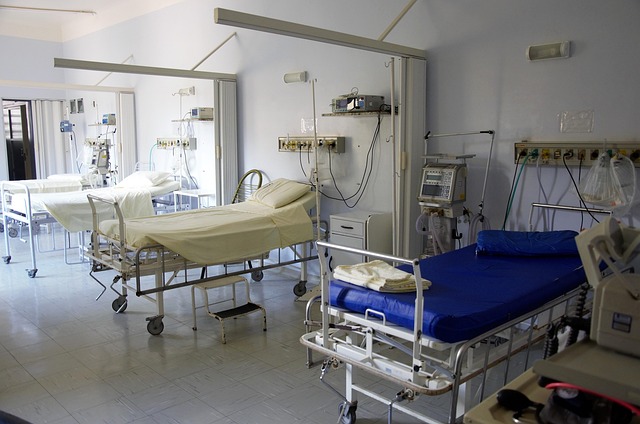
★Mark us as a preferred sourceSafe management of medical waste is essential to protect patients, health workers, and communities, prevent pollution, and support high-quality health services. To help countries and health facilities strengthen their practices, the World Health Organization (WHO) and UNICEF have launched a new free online course on the WHO Academy learning platform.
Effective healthcare waste management is a critical component of global health and environmental safety. The newly launched self-paced course, titled “Advanced health care waste management, including considerations for treatment, mercury and pharmaceutical waste,” provides practical guidance for those responsible for planning, managing, and improving these essential services worldwide.
Global Statistics and Critical Shortfalls
Significant gaps in waste management remain in health-care facilities across the globe. According to the new 2025 estimates released by the WHO and UNICEF Joint Monitoring Programme, only 71% of health-care facilities had basic waste management services. An additional 21% had limited services, and 7% had no services at all.
Critically, facilities serving an estimated 571 million people completely lacked any waste management service. In these locations, waste was neither safely segregated nor safely treated and disposed of. Interestingly, around 85% of health-care waste is non-hazardous, making effective segregation and waste prevention particularly important. Poorly managed hazardous waste, however, can expose workers and communities to infection and toxic substances, contaminate soil and water, and release dangerous pollutants through uncontrolled burning.
Who Should Take the Healthcare Waste Management Course?
Designed for a broad audience, the course is aimed at health facility staff and managers, health-care waste workers, health planners, environmental health professionals, policy makers, and technical partners. No prerequisite knowledge is required to enroll, making it accessible to anyone looking to improve facility standards.
Course Structure and Key Topics
The training is available in English and is highly accessible; it can generally be completed in two hours or less, either in a single sitting or over several sessions.
The comprehensive six-module curriculum covers the full waste pathway. Participants will learn about classification and segregation, storage, transport, treatment, and finally disposal. Furthermore, it addresses waste minimization, recycling, treatment capacity, infrastructure planning, and the safe management of mercury-containing devices and pharmaceutical waste. The program includes knowledge checks throughout the modules, a final assessment, and a confirmation of participation certificate upon successful completion.
Expert Perspective on Implementation
Safe waste management depends on multiple factors beyond just the physical treatment equipment. It strictly requires established standards, trained staff, proper financing, continuous monitoring, robust infrastructure, and clear responsibilities.
Bruce Gordon, WHO Director a.i., Department of Environment, Climate Change, One Health and Migration, stated: “Safe health-care waste management is fundamental to quality care, infection prevention and control and the protection of health workers, communities and the environment. This course gives health facility teams, planners and decision-makers practical knowledge they can use to improve waste management in their own settings.”
FAQ
Where can I access the WHO healthcare waste management course?
The training is available for free on the official WHO Academy online learning platform.
How long does the training take?
The self-paced course in English can generally be completed in two hours or less, either in one sitting or over several sessions.
Is prerequisite knowledge required for the course?
No, there is no prior technical knowledge or prerequisite required to start the course.
Official Source (WHO): New WHO online course strengthens safe and sustainable health-care waste management
