




If you like our site, mark us as a preferred source on Google — so you’ll see our articles more often in search!
★Mark us as a preferred sourceYesterday, July 14, 2026, the European Commission adopted a new delegated act expanding the range of products exempt from the mandatory removability and replaceability requirements for portable batteries. Under the decision, six new product categories – including smartwatches, fitness trackers, and certain electric toys – have been added to the list of exemptions.
Original Objectives of the EU Batteries Regulation
According to the general principle of the European Union’s Batteries Regulation, portable batteries in products sold in the EU must be designed and manufactured in such a way that consumers can easily remove and replace them themselves. The dual objective of this regulation is to extend the lifetime of products through facilitated repair and to support the circular economy by simplifying the separate collection and recycling of used batteries.
Existing and Newly Introduced Exemption Categories
Certain product groups were already exempt from the strict consumer replaceability obligation under the original regulation, largely due to safety considerations. These included medical devices and so-called “wet appliances” (such as electric toothbrushes and water flossers). For these products, the legislation merely requires that the batteries can be removed and replaced by independent professionals.
The European Commission has now expanded this exemption list with six additional product categories. The legislation specifically names the following products among the new exemptions:
-
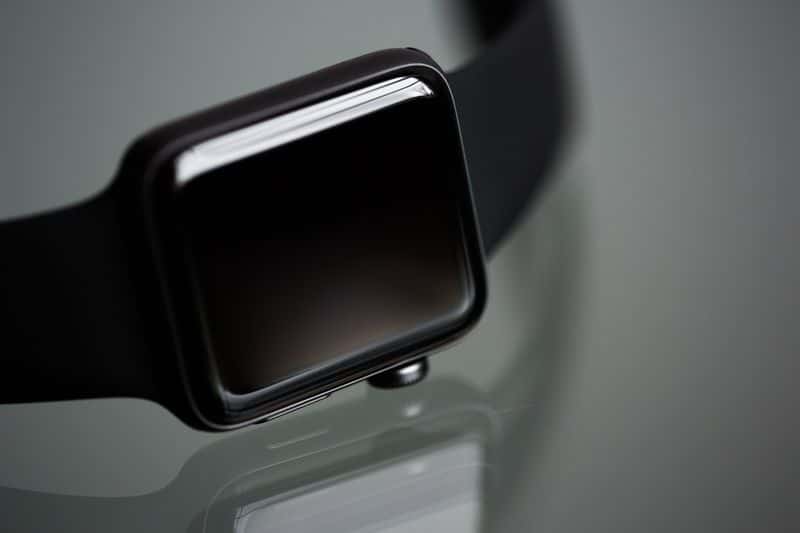
Wearable smart devices (such as smartwatches and fitness trackers).
-
Electric toys.
-
Equipment used in explosive atmospheres falling under the scope of the ATEX Directive (including explosion-proof motors, sensors, pumps, or specialized forklift trucks).
In parallel with this step, the Commission has also updated its guidelines on the removability of portable batteries to provide manufacturers with accurate and up-to-date guidance on the practical application of the new derogations.
The Decision-Making Process and the Assessment of Safety Risks
The Commission launched a call for applications back in 2025 to identify candidate product categories for further exemptions. During the technical and legal preparations, extensive professional consultations took place: the Commission consulted with consumer protection organizations, Member States, and industry stakeholders, while the technical merits of the received applications were evaluated by independent experts.
During the drafting of the legislative amendment, lawmakers paid special attention to striking an appropriate balance between the interests of the affected parties – consumers, independent repairers, product and battery manufacturers, as well as the recycling sector.
During the objective assessment, a critical safety factor also had to be considered: improperly disposed small lithium-ion batteries are increasingly causing fires in waste management and processing plants. This growing risk was strictly evaluated by experts before approving the exemption for smart devices containing lithium-ion batteries.
The Official Procedure for Entry into Force
The delegated act adopted by the Commission is transmitted to the European Parliament and the Council of the European Union for scrutiny, in accordance with the official procedure. If neither the Parliament nor the Council raises formal objections to the legislation, it will officially enter into force on the 20th day following its publication in the Official Journal of the European Union.
References and official sources:
-
Original source: Commission adds exemptions to rules on removability of portable batteries (European Commission Directorate-General for Environment, July 14, 2026)
-
Related EU information (European Commission): Batteries – European Commission
